
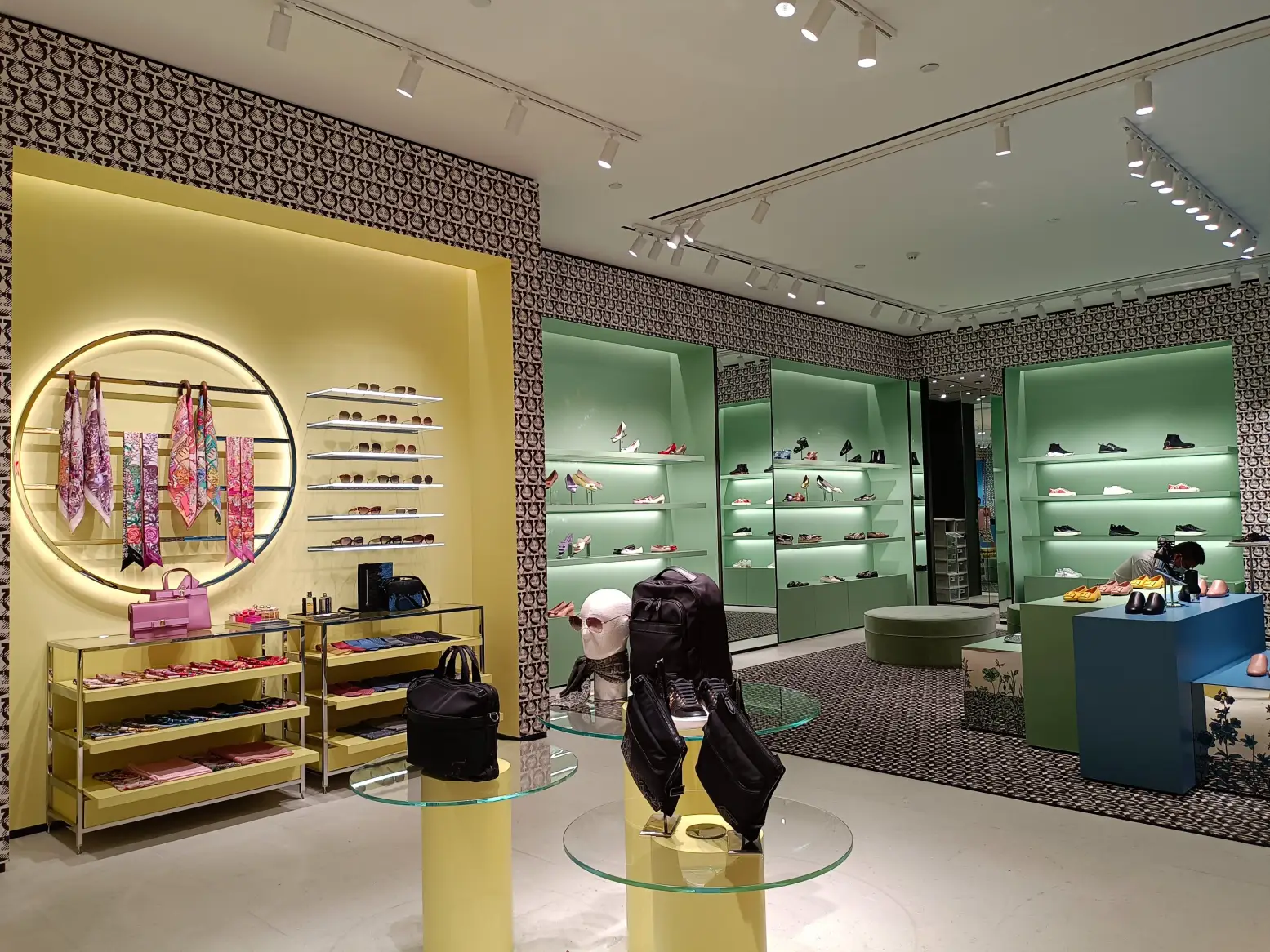
KEY TAKEAWAYS
- Lumens measure output, not target brightness
- Beam angle controls concentration and coverage
- Distance changes beam diameter and illuminance
- Photometric data is more useful than wattage alone
01Lumens Do Not Describe the Whole Result
Lumens measure the total visible light emitted by a source. They are useful for comparing output, but they do not show where the light goes or how bright a target will appear.
02What Beam Angle Changes
A narrow beam concentrates lumens into a smaller area, producing higher illuminance and stronger contrast. A wide beam spreads the same output over a larger area, reducing peak illuminance while improving coverage.
03Distance and Beam Diameter
As the distance from luminaire to target increases, the beam becomes wider and illuminance falls. Beam diameter can be estimated from beam angle and throw distance, but photometric data gives a more reliable result.
Key Design Considerations
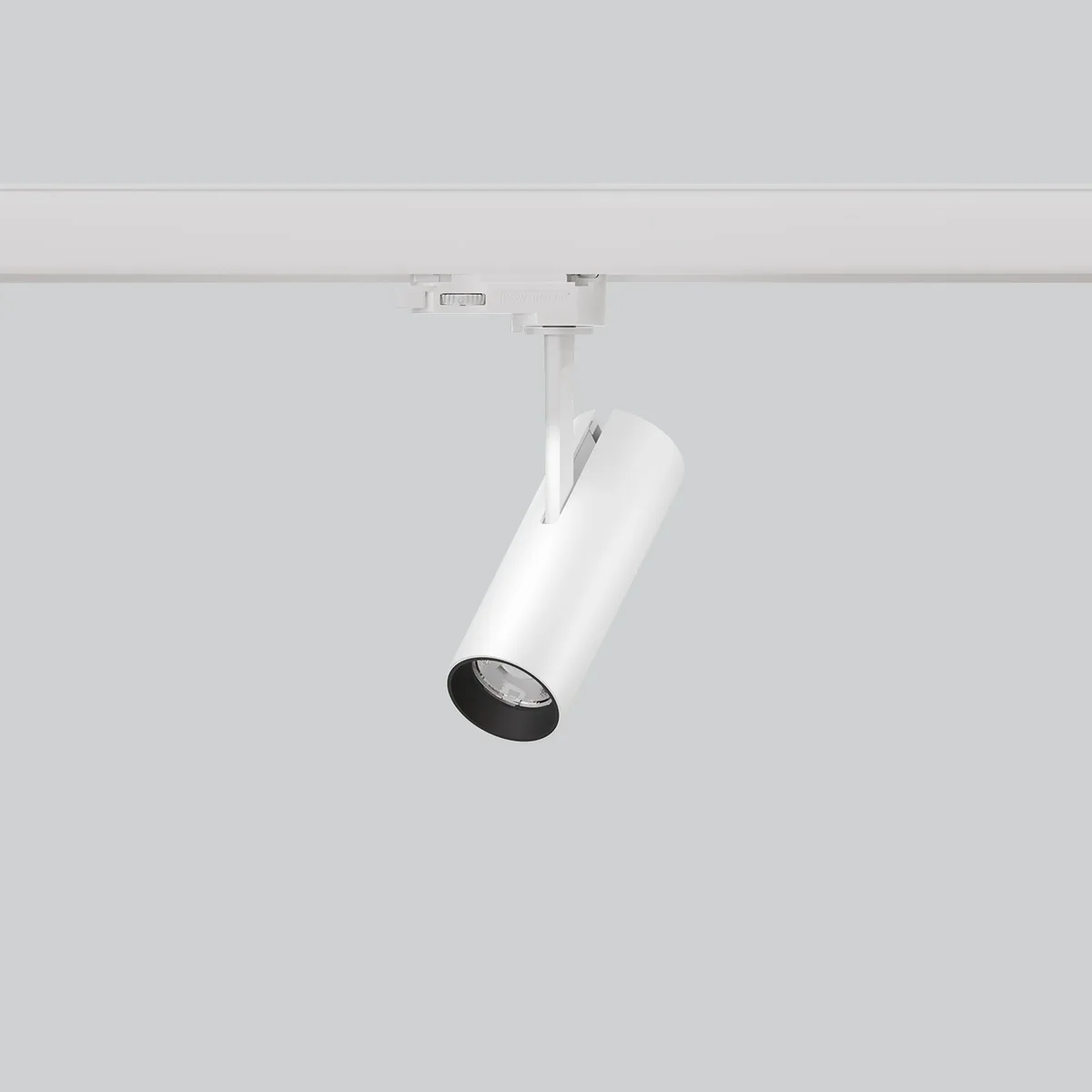
01 Lumens
Total visible light output from the luminaire.
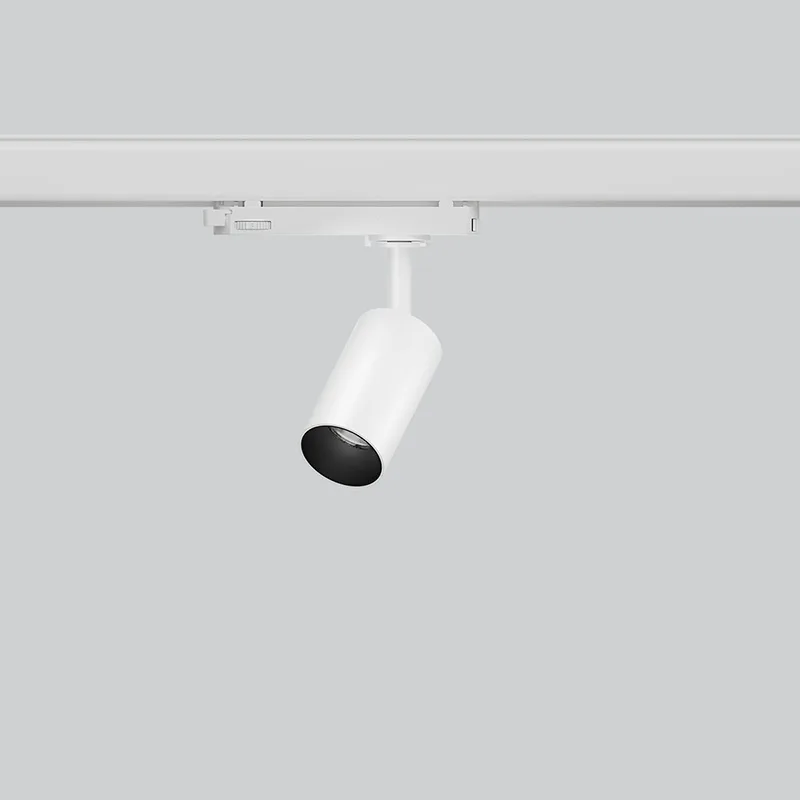
02 Narrow Beam
Higher intensity and contrast on a smaller target.
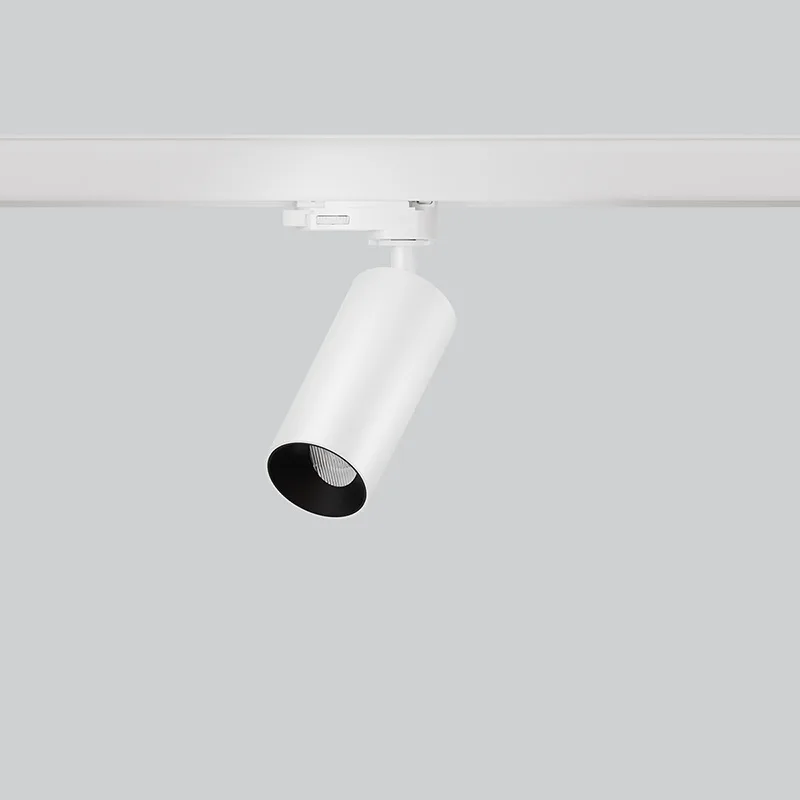
03 Wide Distribution
Broader coverage with lower peak illuminance.
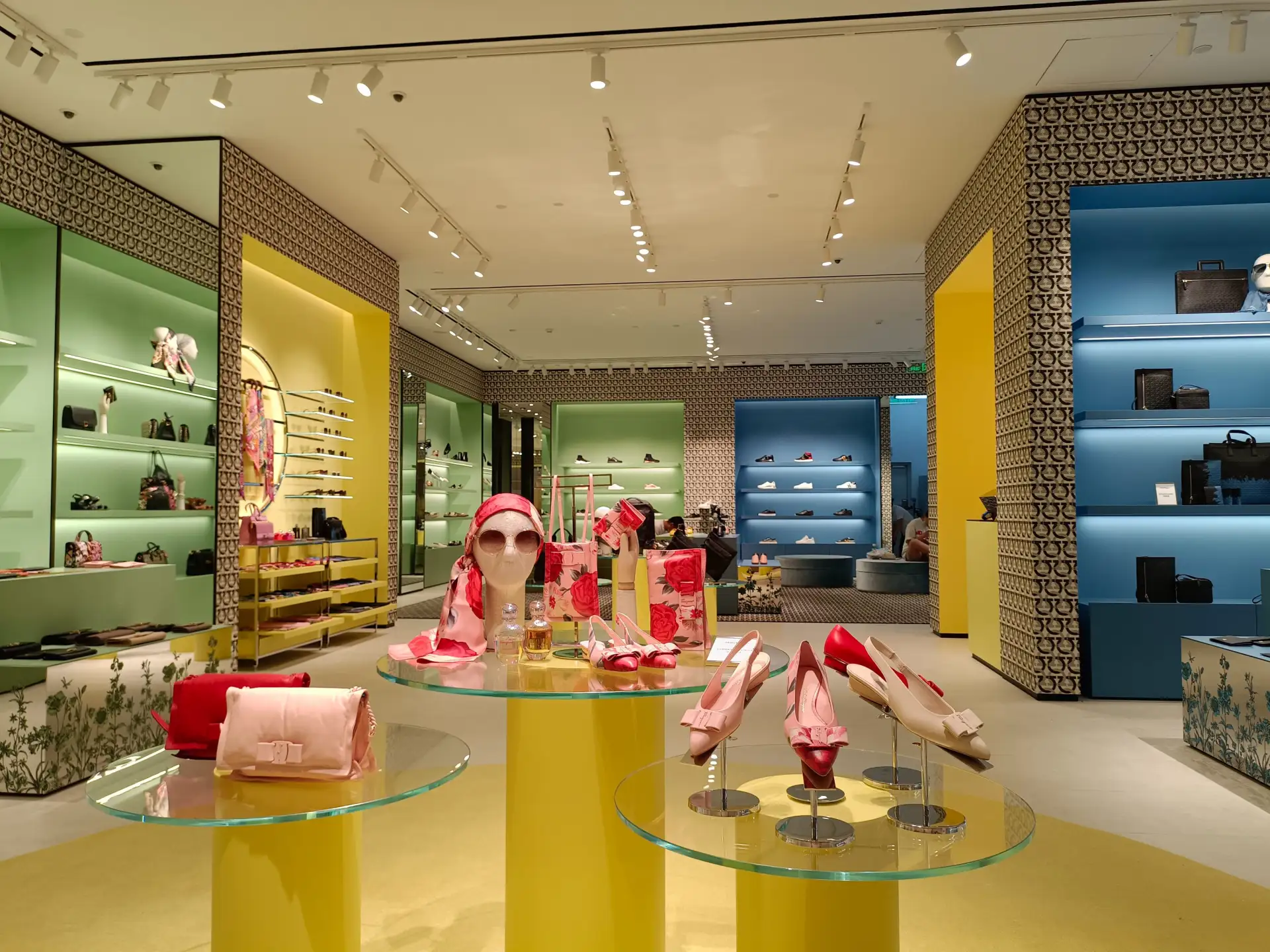
04 Real Application
Distance and surface reflectance influence the visible result.
04Lux, Illuminance and Visual Brightness
Lux measures lumens per square metre on a surface. Perceived brightness also depends on reflectance, adaptation, contrast and viewing conditions, so design decisions should not rely on lumens or lux alone.
Selection Checklist
| Design Factor | What to Check | Why It Matters |
|---|---|---|
| Application | Activities, surfaces and visual priorities | Defines the lighting task |
| Optical Performance | Beam angle, distribution and glare control | Shapes light accurately |
| Light Quality | CRI, CCT and consistency | Supports comfort and appearance |
05How to Compare Luminaires
Compare beam angle, candela distribution, mounting distance and target size. Use IES or LDT data to predict illuminance, then verify important displays with a mock-up.