
KEY TAKEAWAYS
- Better value in architectural lighting should be measured across performance, flexibility, reliability, maintenance and total project cost.
- A lower purchase price can create higher project cost if it increases installation, maintenance or replacement risk.
- Modular product platforms can reduce inventory pressure and simplify project specification.
- The strongest lighting solution is usually the one that delivers required performance with fewer unnecessary compromises.
01Better Value Is More Than a Lower Price
In architectural lighting, a lower purchase price does not automatically mean better value.
A luminaire may look cost-effective at quotation stage but become expensive later if it creates problems with color consistency, glare, installation, replacement, delivery or project coordination.
Better value should therefore be evaluated across the full project cycle — from specification and purchasing to installation, operation and future maintenance.
For lighting buyers and project suppliers, the more useful question is not simply “Which product is cheaper?” but “Which solution delivers the required performance with fewer compromises, fewer risks and less long-term complexity?”
02Performance Still Comes First
Value only matters if the lighting performance is right.
In commercial and architectural projects, key performance factors include beam quality, glare control, color consistency, CRI, lumen output, thermal management and optical stability.
A lower-cost product that creates visible color differences, uncontrolled glare or inconsistent beam distribution can quickly reduce the quality of the entire space.
For this reason, better value does not mean removing the performance that matters. It means engineering the product so that the required performance is achieved with a more efficient structure, smarter component selection and fewer unnecessary costs.
What Creates Better Lighting Value?
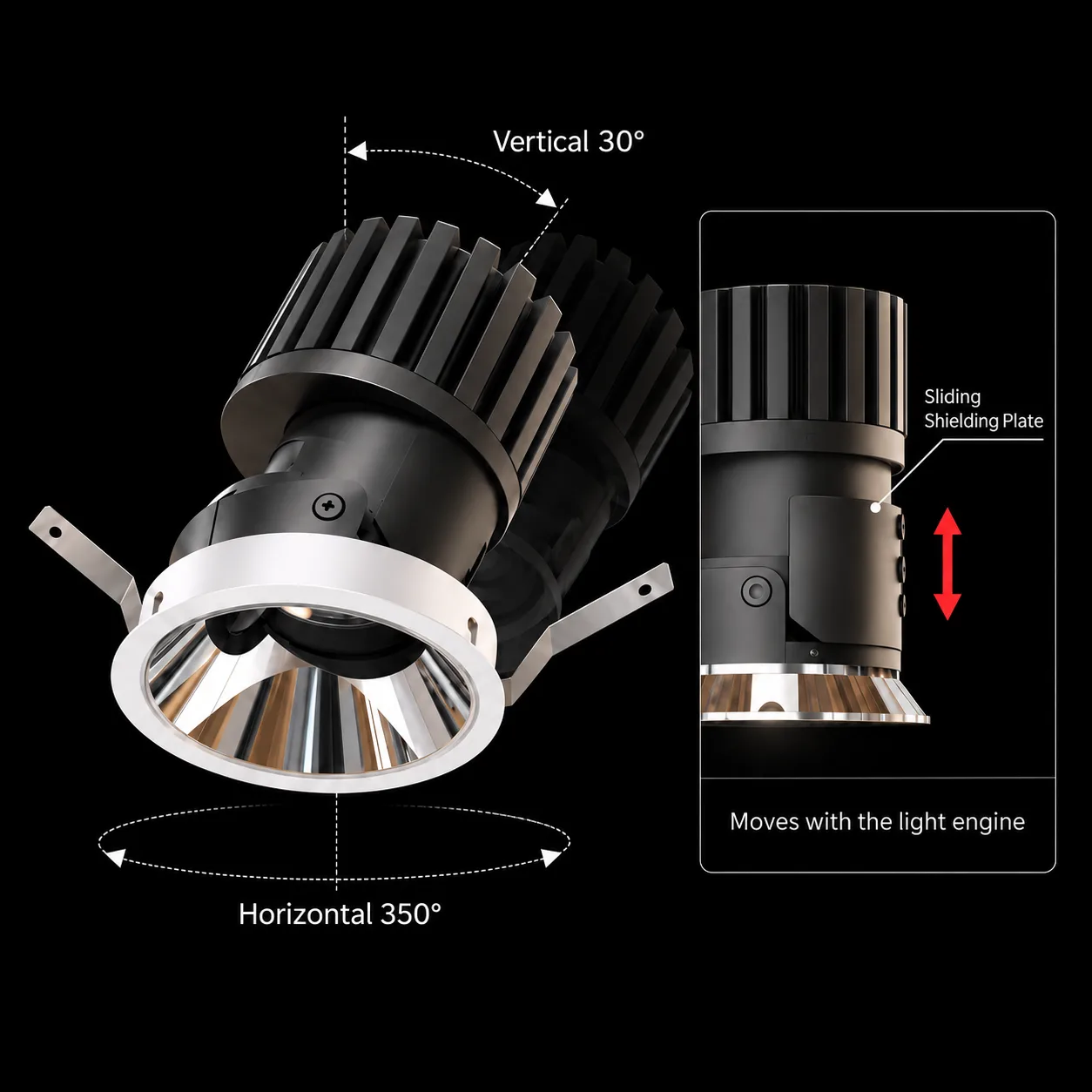
01 Performance Still Comes First
Compare beam quality, glare control, color consistency, output and thermal performance before judging value by price alone.
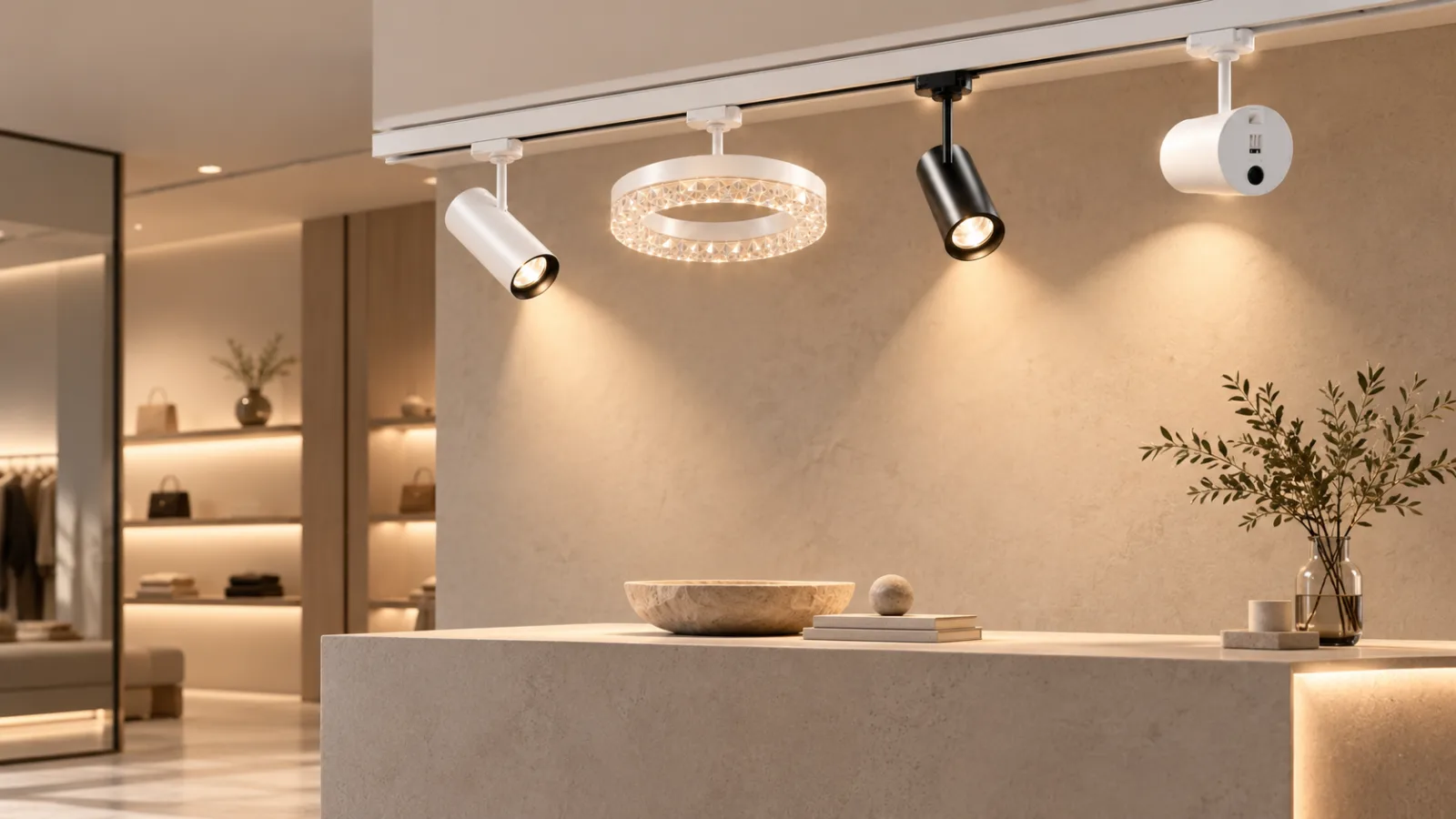
02 Modular Flexibility
A flexible product platform can support different optics, accessories, mounting methods and controls while reducing unnecessary SKU complexity.
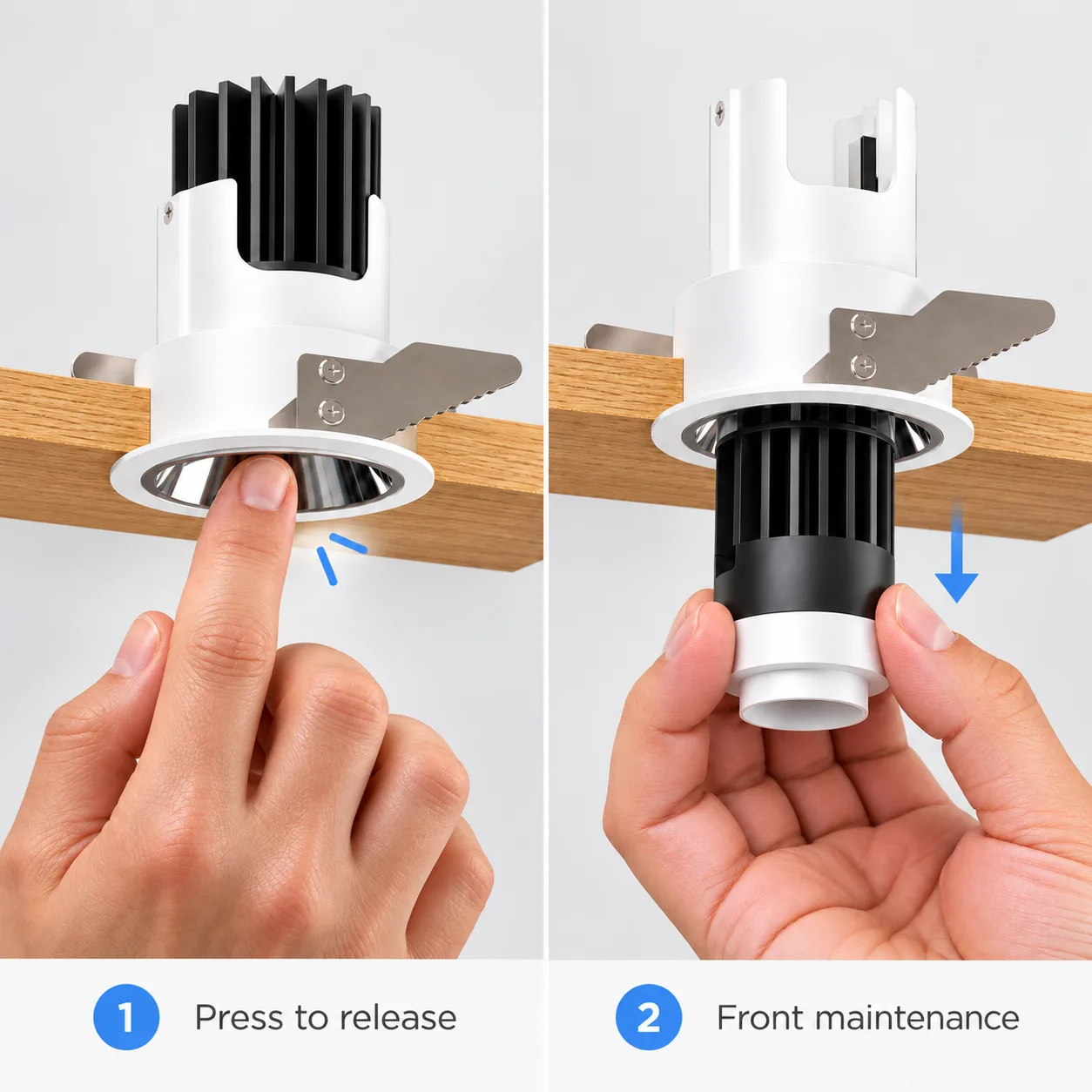
03 Lifecycle and Maintenance
Serviceable modules, accessible drivers and shared components can reduce future replacement work, downtime and ceiling damage.
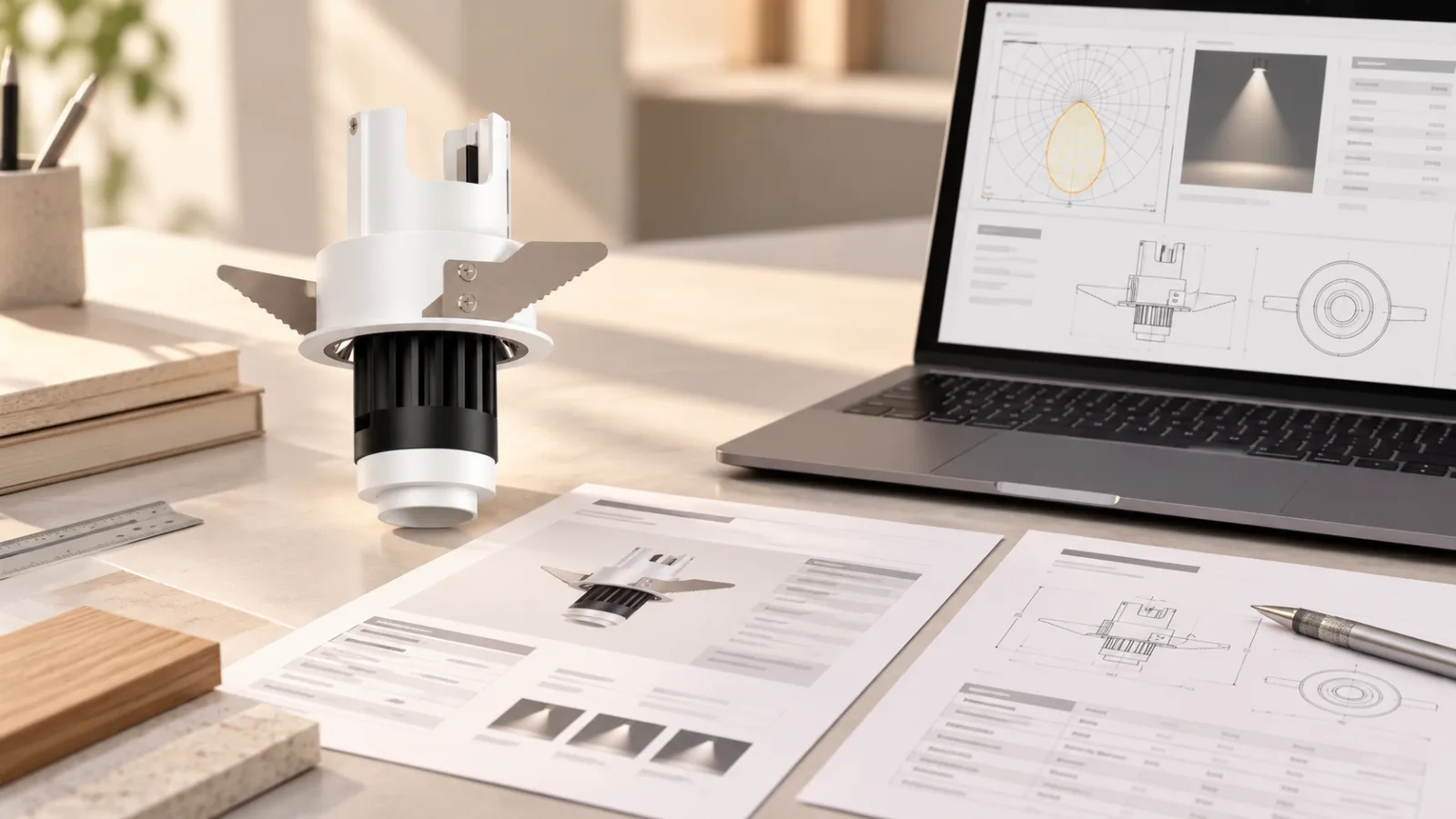
04 Total Project Value
Better value comes from balancing purchase cost with installation, maintenance, supply stability and long-term project risk.
03Flexibility Can Be More Valuable Than More SKUs
A large product catalogue does not always make project work easier.
In many projects, complexity comes from having too many unrelated models, different mounting systems, separate optical structures and incompatible accessories.
A more flexible product platform can reduce this complexity.
Modular lighting systems can allow the same core product to support different optics, front accessories, installation methods, control options or power configurations. This gives designers more freedom while helping distributors and project suppliers reduce inventory pressure.
The value is not only in having more options. The real value is in using fewer core components to solve more project requirements.
04The Purchase Price Is Only One Part of the Cost
Lighting projects continue long after installation.
Drivers may need replacement, lighting requirements may change, retail layouts may be updated and hotel interiors may be renovated.
Products that are difficult to service can increase labor cost, ceiling damage, downtime and replacement complexity.
Better-value lighting should therefore consider serviceability from the beginning. Replaceable modules, accessible drivers, standardized components and consistent product families can reduce future maintenance work.
In long-term commercial projects, a slightly higher initial product cost can sometimes result in a lower total project cost when maintenance, replacement and operational disruption are taken into account.
05How to Evaluate Better Value in a Real Project
When comparing two lighting solutions, buyers should avoid evaluating only wattage, lumen output and unit price.
A more complete comparison should include:
Performance — Does the luminaire deliver the required beam, glare control, color quality and output?
Consistency — Can the supplier maintain color, finish and optical consistency across different wattages and sizes?
Flexibility — Can one product family support different installation methods, optics or project conditions?
Serviceability — Can important components be replaced or serviced without damaging the ceiling or replacing the complete fixture?
Supply Stability — Are key components, drivers and optical parts stable and available for future orders?
Delivery Risk — Can the supplier support project schedules without creating unnecessary stock pressure?
Total Cost — What is the cost of installation, maintenance, replacement and project coordination — not only the initial purchase price?
Better value is achieved when these factors are balanced together rather than optimized individually.
Architectural Lighting Value Checklist
| Item | What to Check | Why It Matters |
|---|---|---|
| Performance | Beam quality, glare control, CRI, output and color consistency | Protects visual quality and prevents cost savings from reducing project performance |
| Flexibility | Shared optics, accessories, mounting methods and control options | Reduces SKU complexity and makes one product family easier to use across different project zones |
| Lifecycle Value | Serviceability, component continuity, delivery stability and future replacement needs | Helps reduce long-term maintenance cost, project risk and unnecessary replacement work |