
KEY TAKEAWAYS
- Measure cut-out size and installation depth first
- Relate beam angle to ceiling height and spacing
- Compare lumens and photometric data, not wattage alone
- Use deep optics and shielding to manage glare
01What Is a Recessed Downlight?
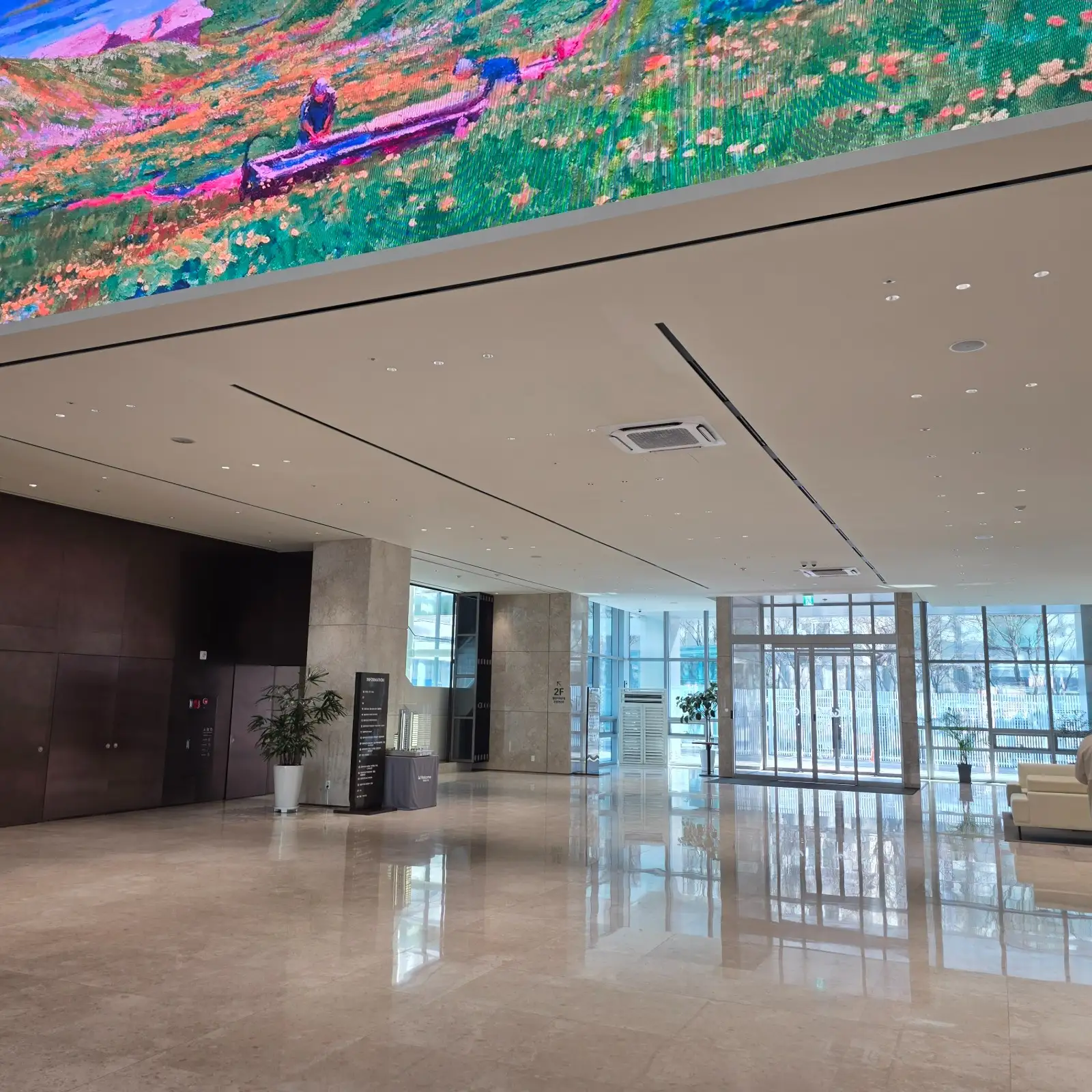
A recessed downlight is installed into a ceiling opening so that most of the luminaire sits above the finished surface. It delivers a clean architectural appearance and can provide ambient, task or accent illumination depending on its optic.
02Start With Cut-Out and Ceiling Conditions
Cut-out diameter must match the ceiling opening and trim. Also check installation depth, ceiling thickness, insulation clearance, driver access and ventilation. For retrofit work, measure the existing opening before selecting a product.
03Beam Angle and Ceiling Height
Narrower beams maintain intensity on smaller targets or from higher ceilings. Wider beams cover more area at lower mounting heights. Spacing should create useful overlap without excessive hotspots or dark gaps.
Key Design Considerations
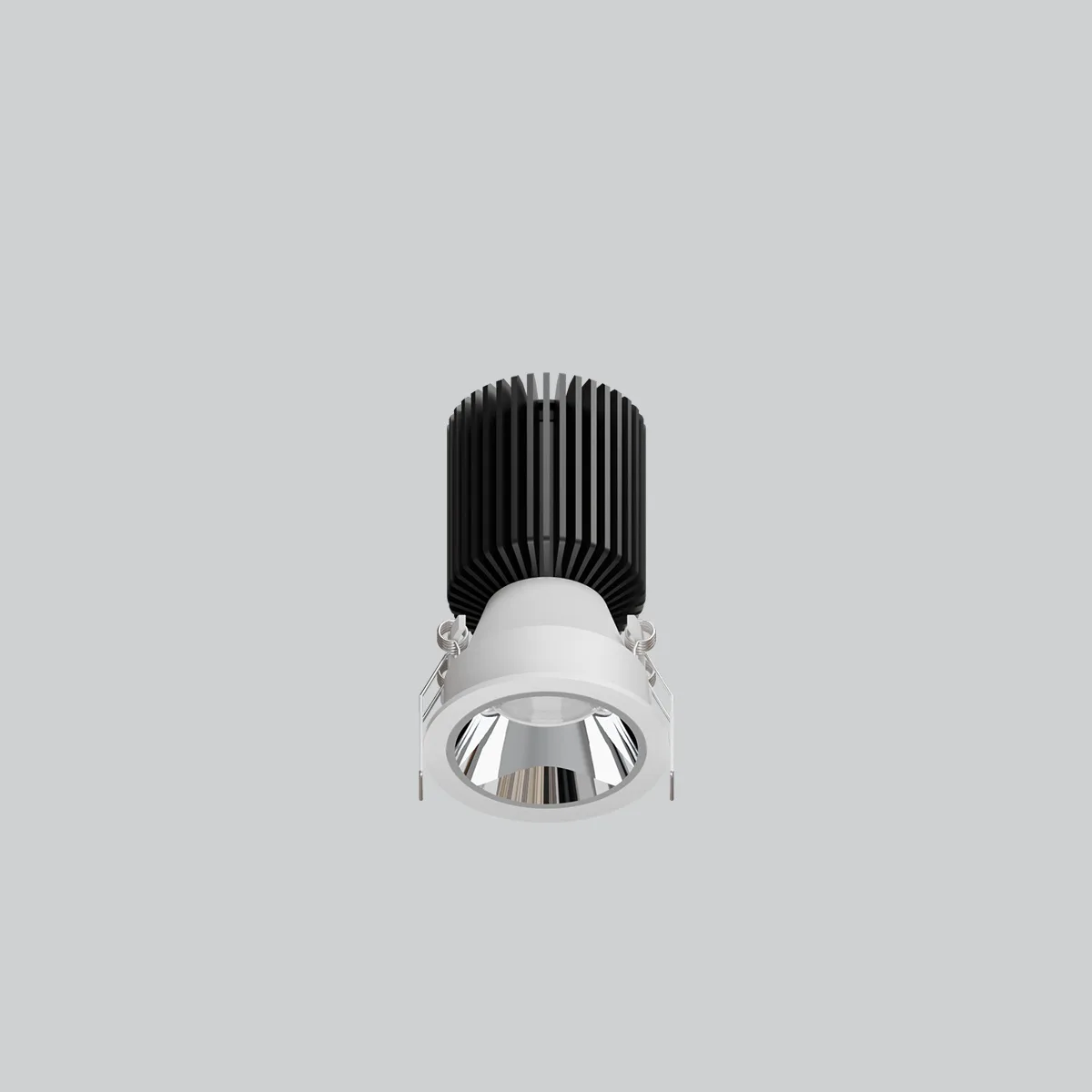
01 SLIM
Compact high-output downlights for commercial ceiling conditions.
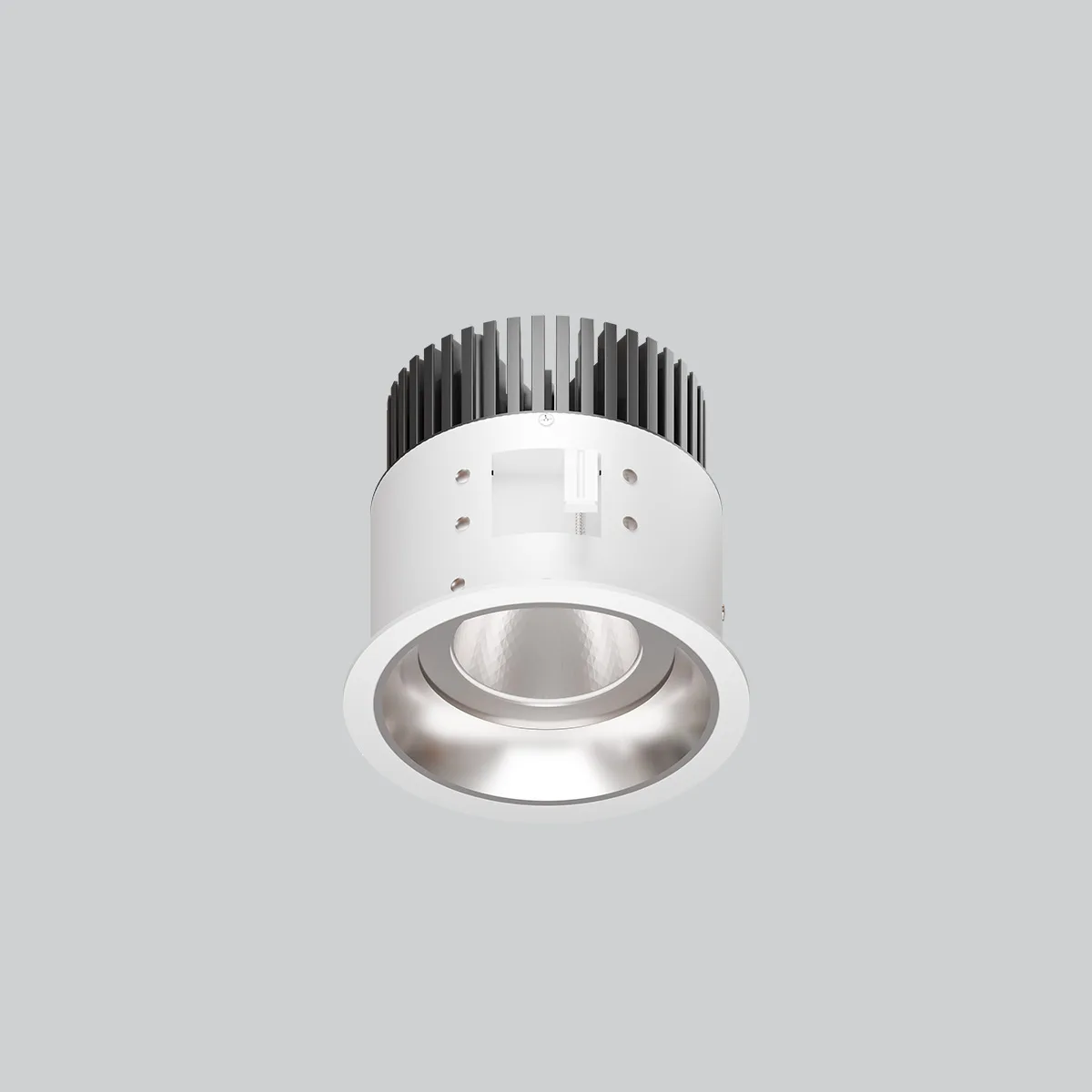
02 HICORE
High-power recessed lighting for tall or large-volume spaces.
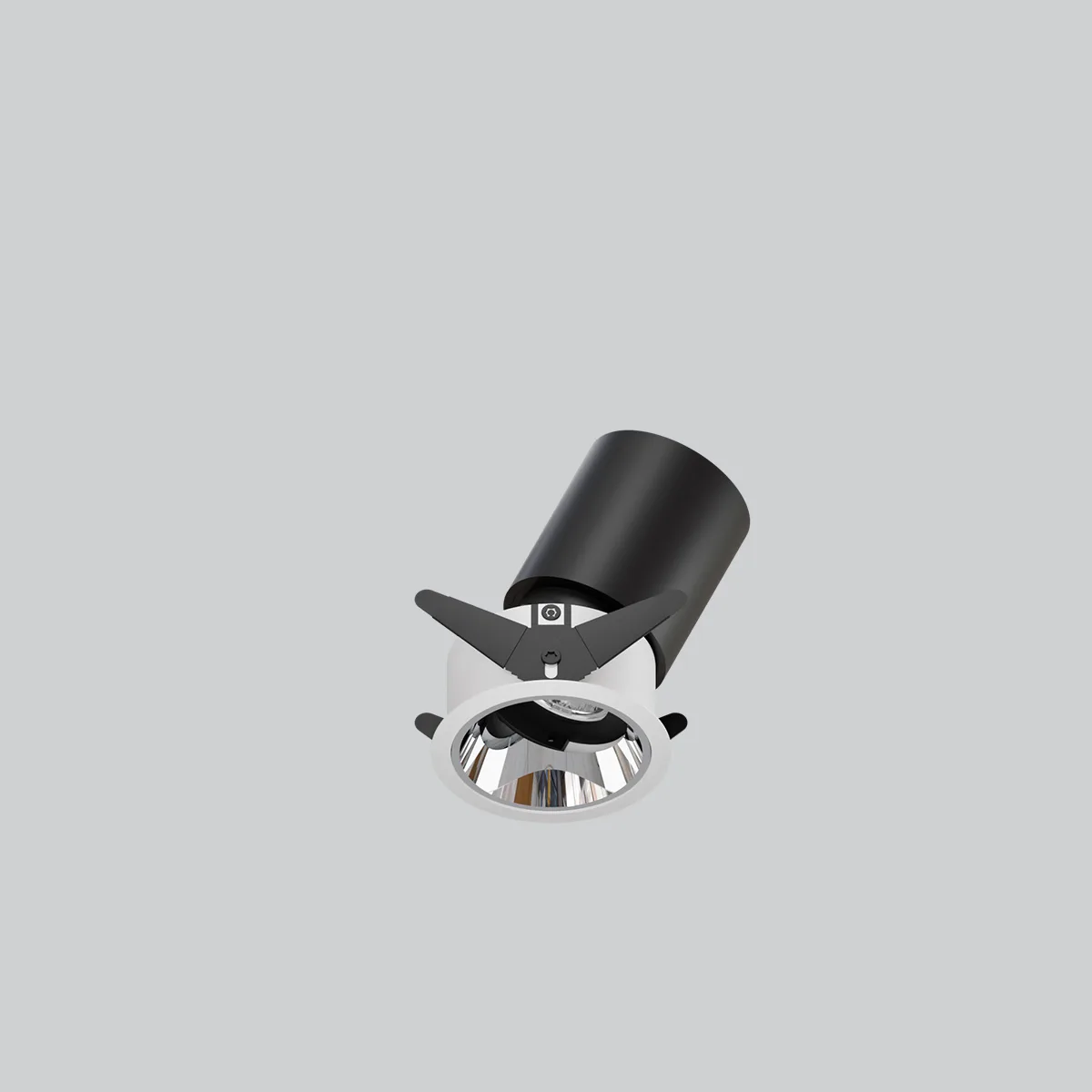
03 SILO
Precision recessed downlights for refined hospitality interiors.
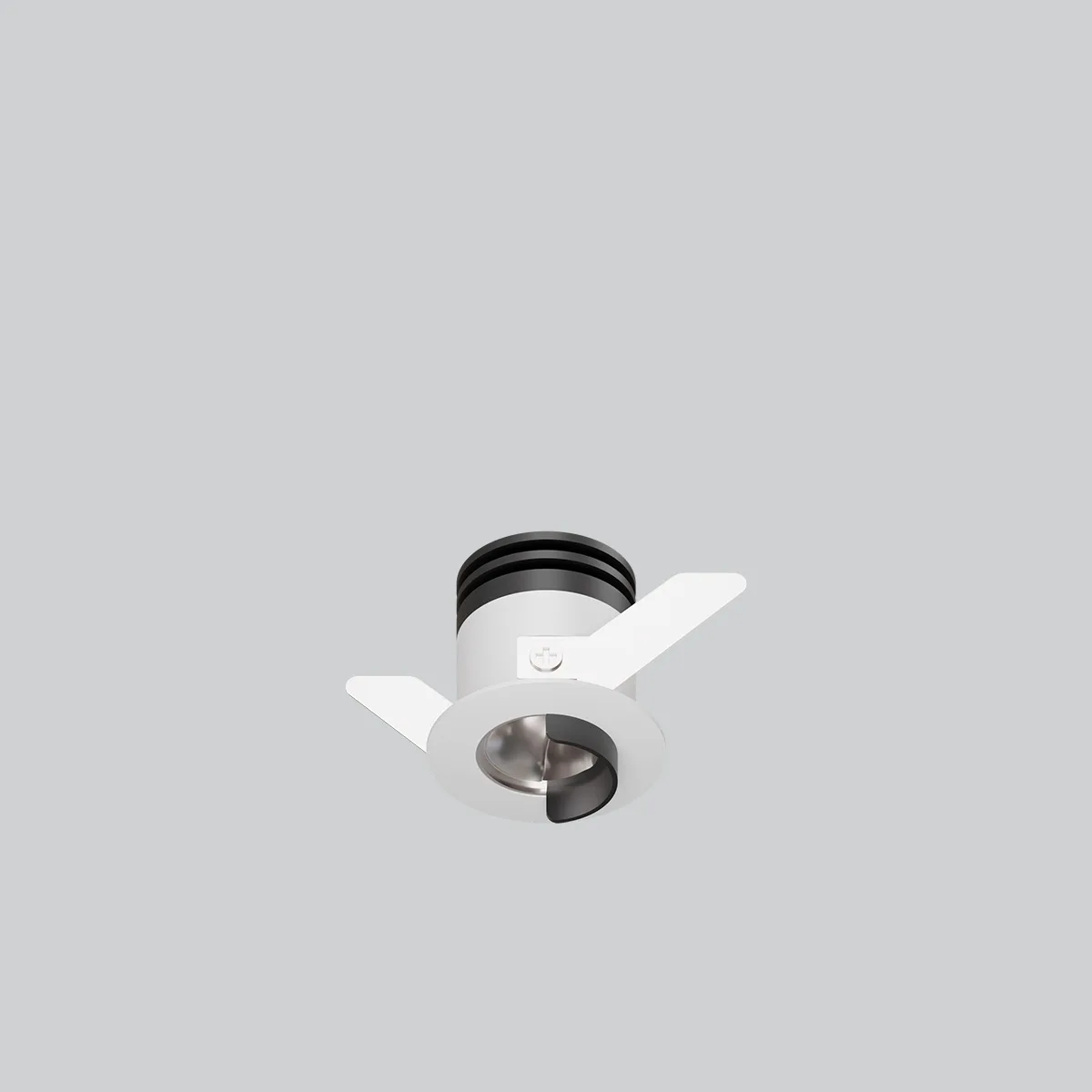
04 SHOWLITE
Compact display downlights for cabinets and merchandise details.
04Wattage, Lumens and UGR
Wattage describes power consumption, not delivered illuminance. Compare lumen output, beam distribution and photometric data. Deep-set optics, reflectors and shielding can reduce high-angle brightness and improve visual comfort.
Selection Checklist
| Design Factor | What to Check | Why It Matters |
|---|---|---|
| Application | Activities, surfaces and visual priorities | Defines the lighting task |
| Optical Performance | Beam angle, distribution and glare control | Shapes light accurately |
| Light Quality | CRI, CCT and consistency | Supports comfort and appearance |
05Selecting SLIM, HICORE and SILO
SLIM suits compact ceilings and high-output commercial applications. HICORE supports high ceilings and large spaces. SILO offers refined recessed lighting for hospitality environments. Final selection should confirm cut-out, output, beam, CRI, CCT and controls.