
KEY TAKEAWAYS
- EN 12464-1 uses application-specific task criteria
- Maintained illuminance is only one requirement
- UGR, uniformity and colour rendering must also be checked
- Use the edition and national adoption specified for the project
01What Is EN 12464-1?
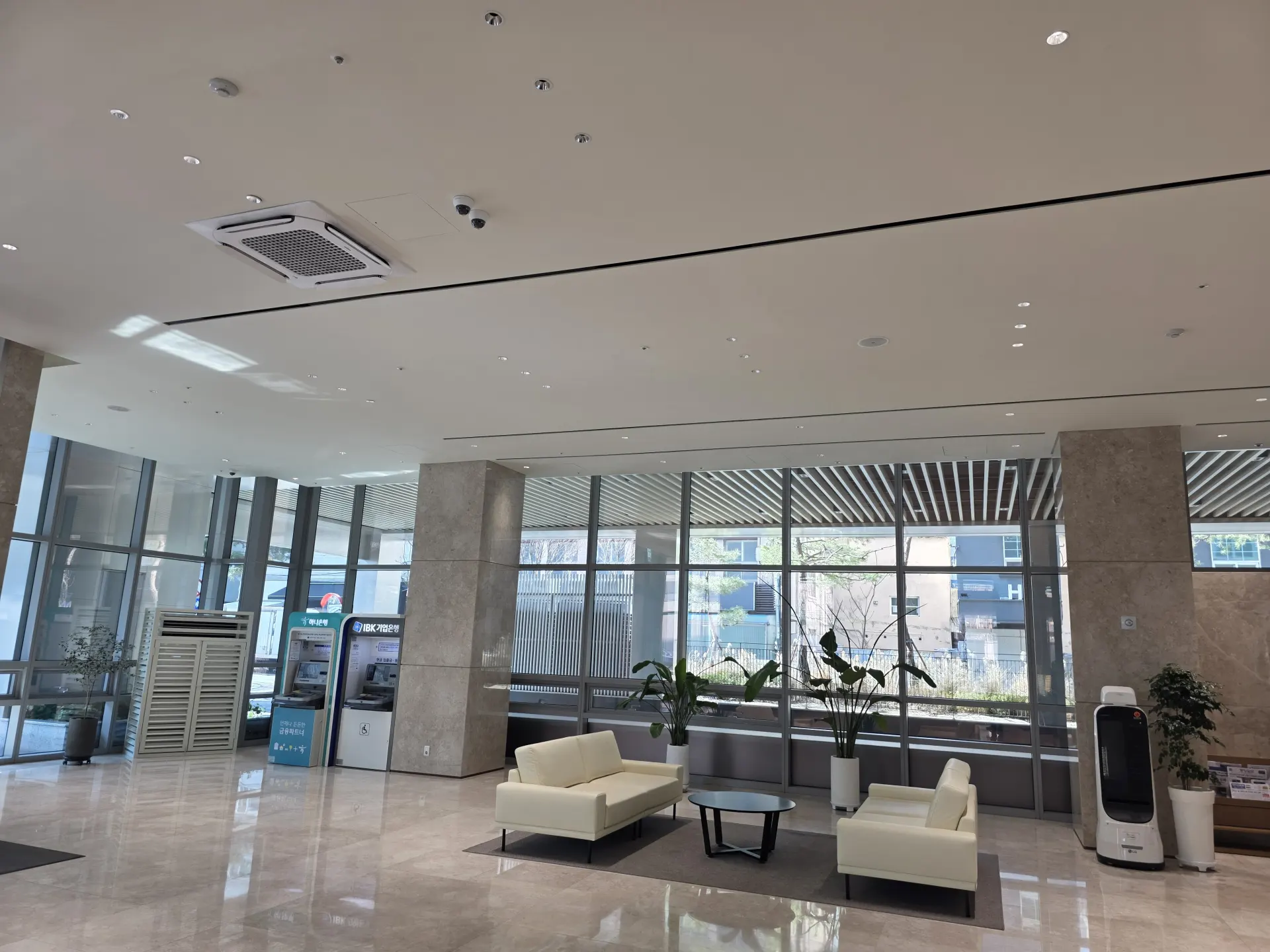
EN 12464-1 is the European standard for lighting indoor workplaces. It provides application-specific criteria for task areas and their surroundings rather than one universal lux target for every room.
Designers should use the edition and national adoption required by the project documentation.
02The Main Lighting Criteria
The standard considers maintained illuminance, uniformity, discomfort glare, colour rendering and the appearance of the space. It also addresses surrounding areas because extreme brightness differences can reduce comfort and visibility.
03Lux Requirements and Task Areas
Required maintained illuminance depends on the activity. Detailed office work commonly references a higher task-area level than corridors or circulation. Retail values depend on the visual task, merchandise and concept; the project team should check the relevant standard table rather than copying one number across the store.
Key Design Considerations
01 Task Illuminance
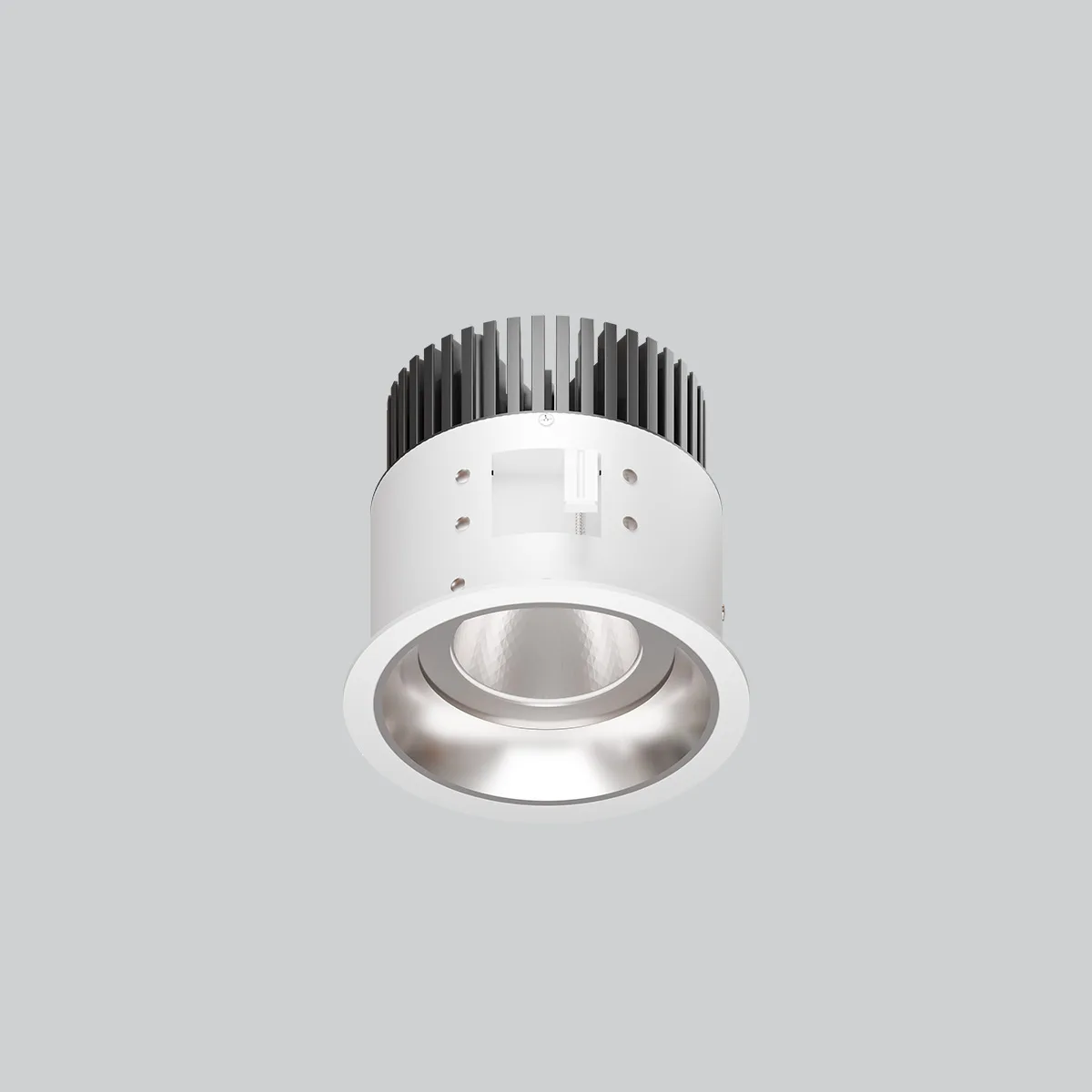
Set maintained lux according to the actual activity.
02 Glare Control
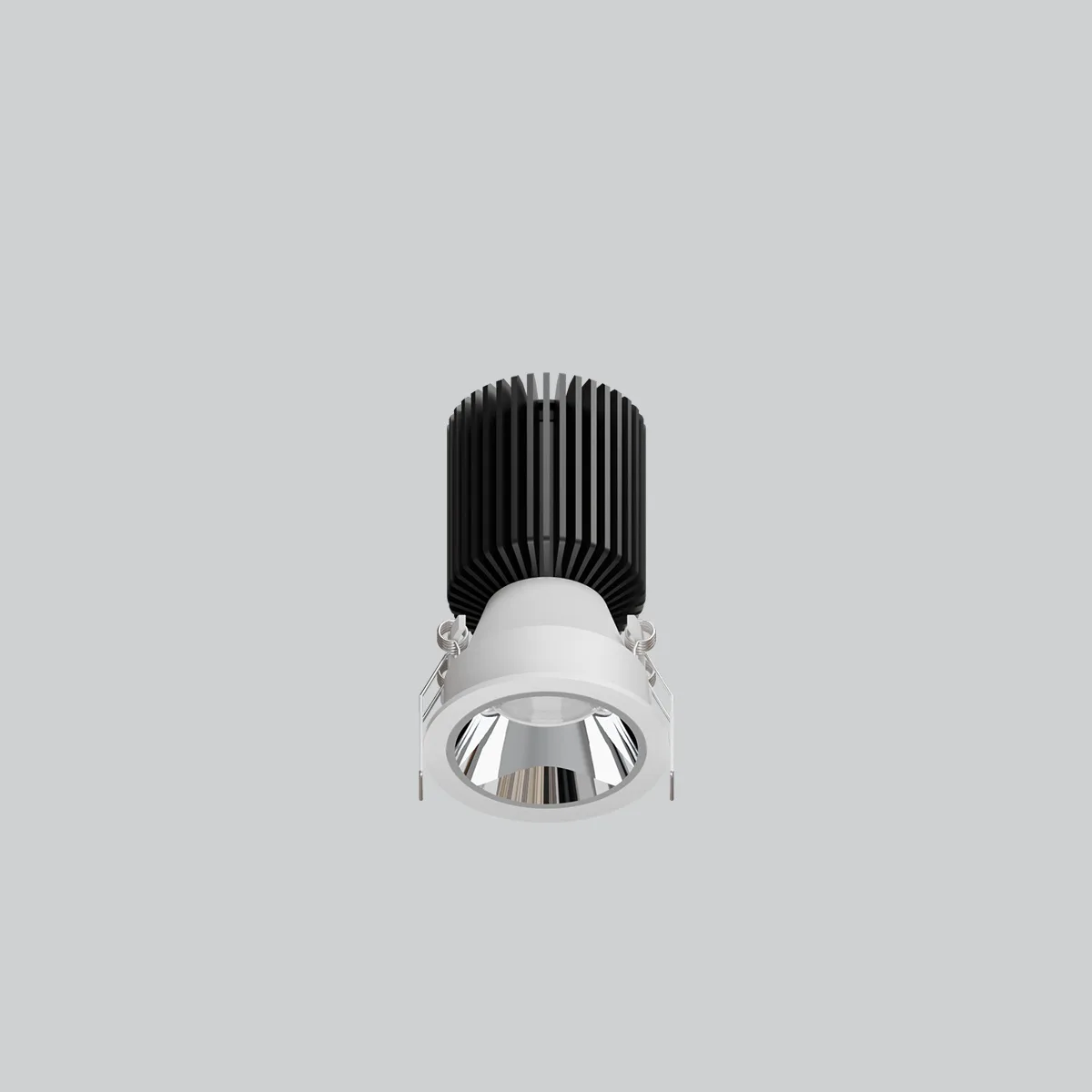
Review UGR, shielding and luminaire position.
03 Uniformity
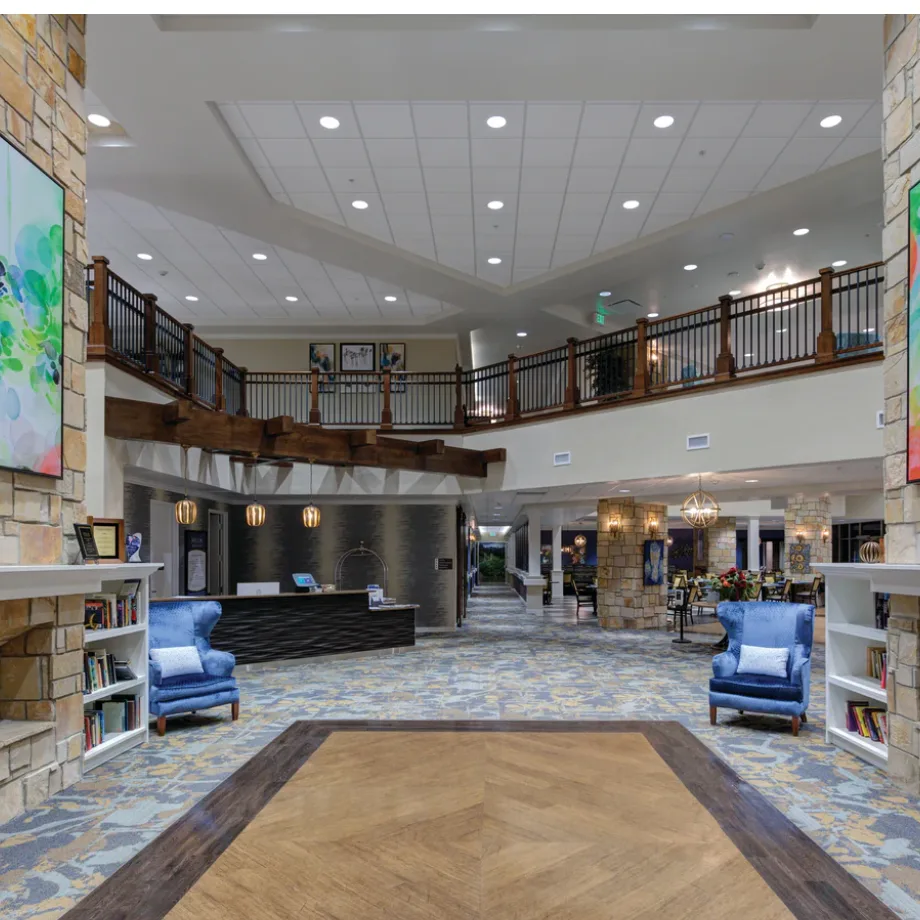
Balance task and surrounding-area brightness.
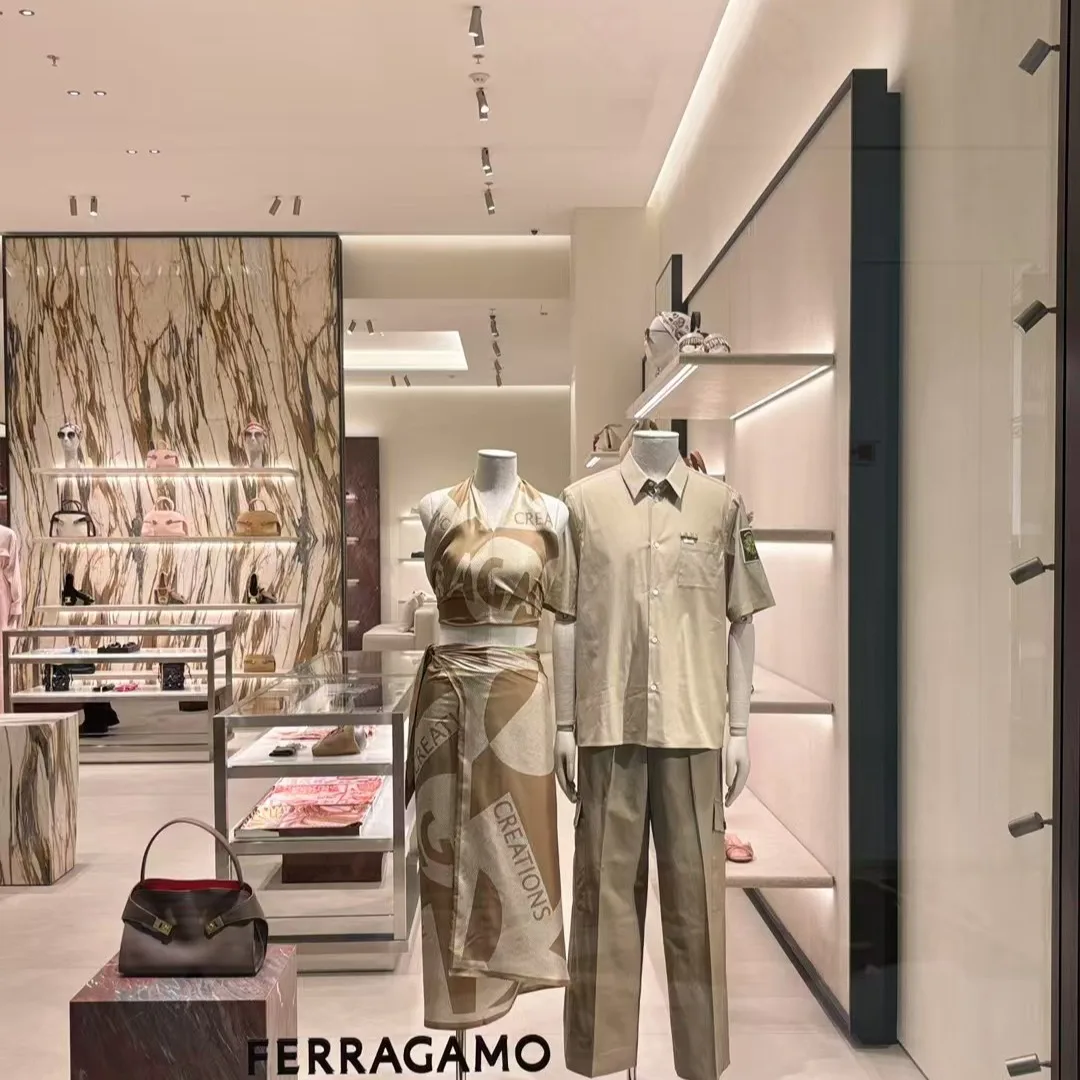
04 Colour Quality
Specify CRI and spectrum for the visual task.
04UGR, Uniformity and Colour Quality
A compliant design cannot be judged by average lux alone. Luminaire luminance and layout affect UGR, minimum-to-average relationships affect uniformity, and CRI requirements support reliable colour recognition.
Selection Checklist
| Design Factor | What to Check | Why It Matters |
|---|---|---|
| Application | Activities, surfaces and visual priorities | Defines the lighting task |
| Optical Performance | Beam angle, distribution and glare control | Shapes light accurately |
| Light Quality | CRI, CCT and consistency | Supports comfort and appearance |
05Applying the Standard in Practice
Define task, immediate surrounding and background areas; calculate maintained values using realistic maintenance factors; review glare and vertical surfaces; then commission the installed system. Standards provide minimum criteria, while good architectural lighting also considers atmosphere and hierarchy.