
KEY TAKEAWAYS
- ESPR expands attention beyond operational energy
- Design luminaires for durability and serviceability
- Prepare structured life-cycle product data
- Procure on whole-life value, not first cost alone
01From Energy Efficiency to Product Sustainability
The EU Ecodesign for Sustainable Products Regulation broadens the policy focus from energy use to wider product sustainability. Future product-specific measures can address durability, repairability, recycled content and information.
Exact obligations depend on delegated rules for each product group, so lighting companies should monitor official EU developments.
02Why Luminaire Design Matters
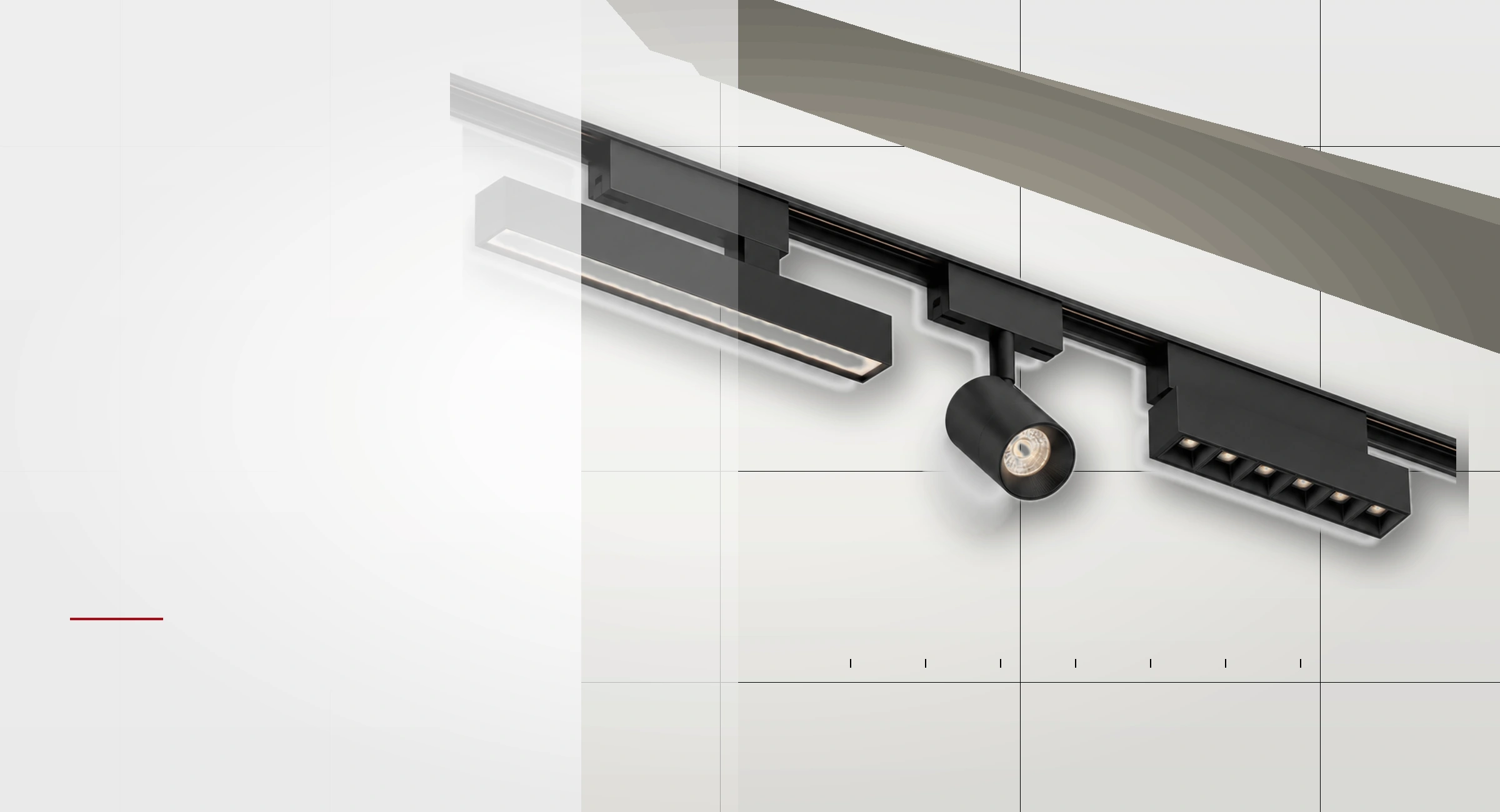
LED luminaires combine housings, optics, drivers, light sources and controls with different service lives. Modular design can make failed components easier to diagnose and replace.
Thermal management, accessible drivers and documented spare parts are practical foundations for longer product life.
Industry Impact at a Glance
01 ESPR expands attention beyond
ESPR expands attention beyond operational energy. This point should be documented and verified during project delivery.
02 Design luminaires for durability
Design luminaires for durability and serviceability. This point should be documented and verified during project delivery.
03 Prepare structured life-cycle product
Prepare structured life-cycle product data. This point should be documented and verified during project delivery.
04 Procure on whole-life value,
Procure on whole-life value, not first cost alone. This point should be documented and verified during project delivery.
03Data and Digital Product Information
Product information may become more structured and accessible through digital systems. Manufacturers should organize technical, material, repair and compliance data so it can remain available over the product life.
Consistent identifiers also help facility teams manage installed assets and replacements.
04Procurement for Circularity
Buyers can evaluate expected lifetime, replaceable components, warranties, spare-part availability and end-of-life routes alongside efficacy and price.
A slightly higher first cost may deliver better whole-life value when maintenance and avoided replacement are considered.
Project Planning Matrix
| Project Stage | Priority | Recommended Action |
|---|---|---|
| Concept | Design intent | Define performance goals and applicable standards |
| Specification | Evidence | Verify product data, controls and interoperability |
| Commissioning | Real performance | Test settings, document results and review after occupancy |
05Preparing for Product-Specific Requirements
Map product families, supplier evidence and data gaps now. Avoid claiming compliance before final product-specific rules are published and applicable.
Designing for durability and transparent information is valuable even before regulation because it reduces risk for long-life building projects.