
KEY TAKEAWAYS
- Use layered lighting for ambience, task visibility and visual hierarchy
- Match output and beam angle to ceiling height and target size
- Prioritize low glare, high colour quality and comfortable warm CCTs
- Create separate scenes for guest experience, cleaning and operations
- Plan access, driver replacement and aiming for long-term maintenance
01Why Hotel Lighting Requires a Layered Strategy
Hotel lighting must support arrival, orientation, relaxation, dining and staff operations within one property. A successful scheme combines ambient, task, accent and decorative light instead of relying on a single luminaire type.
The design should create a consistent brand experience while adapting illuminance, colour temperature and beam control to each zone.
02Lobby and Reception Lighting
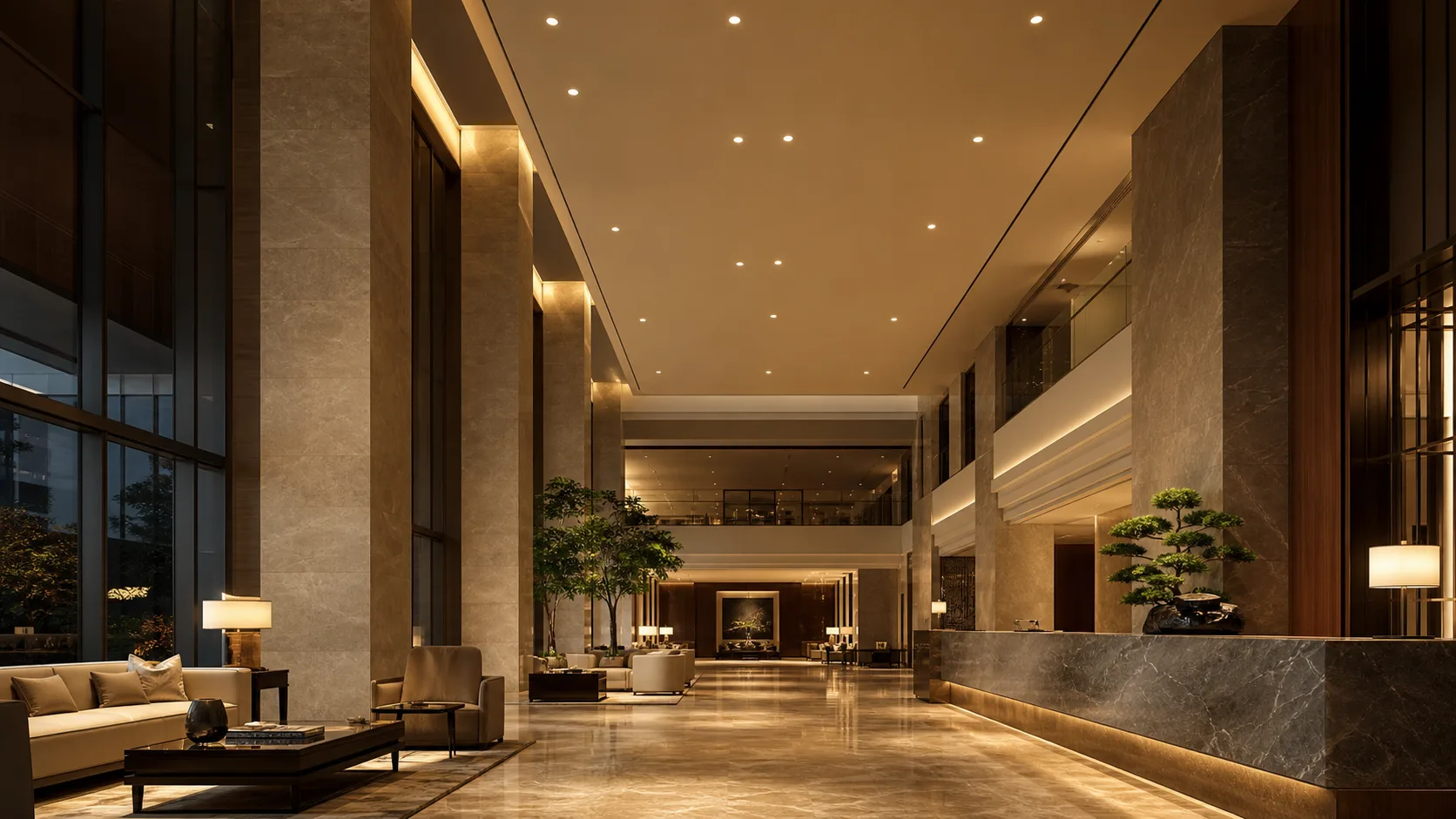
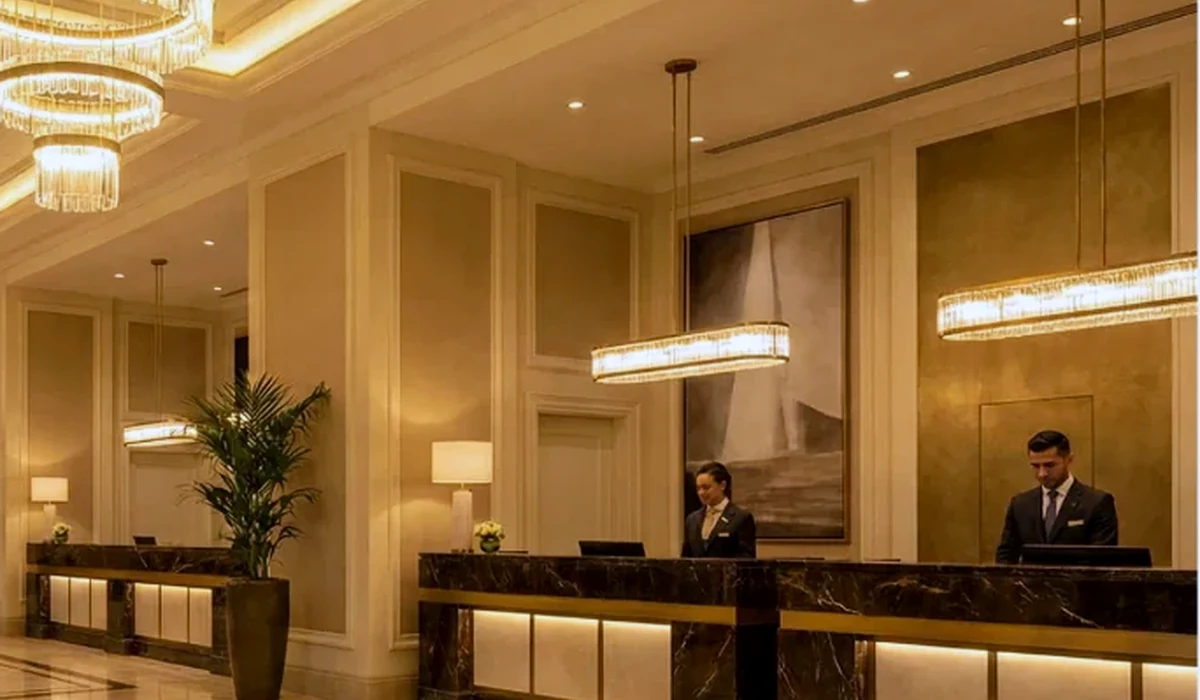
Hotel lobbies often have high ceilings and multiple focal points. High-output recessed downlights can provide the base layer, while narrow or medium beams highlight reception desks, art and architectural surfaces.
Use glare-controlled optics and select output according to mounting height. Vertical illumination on faces and walls improves orientation and makes the entrance feel welcoming.
Common Beam Angles
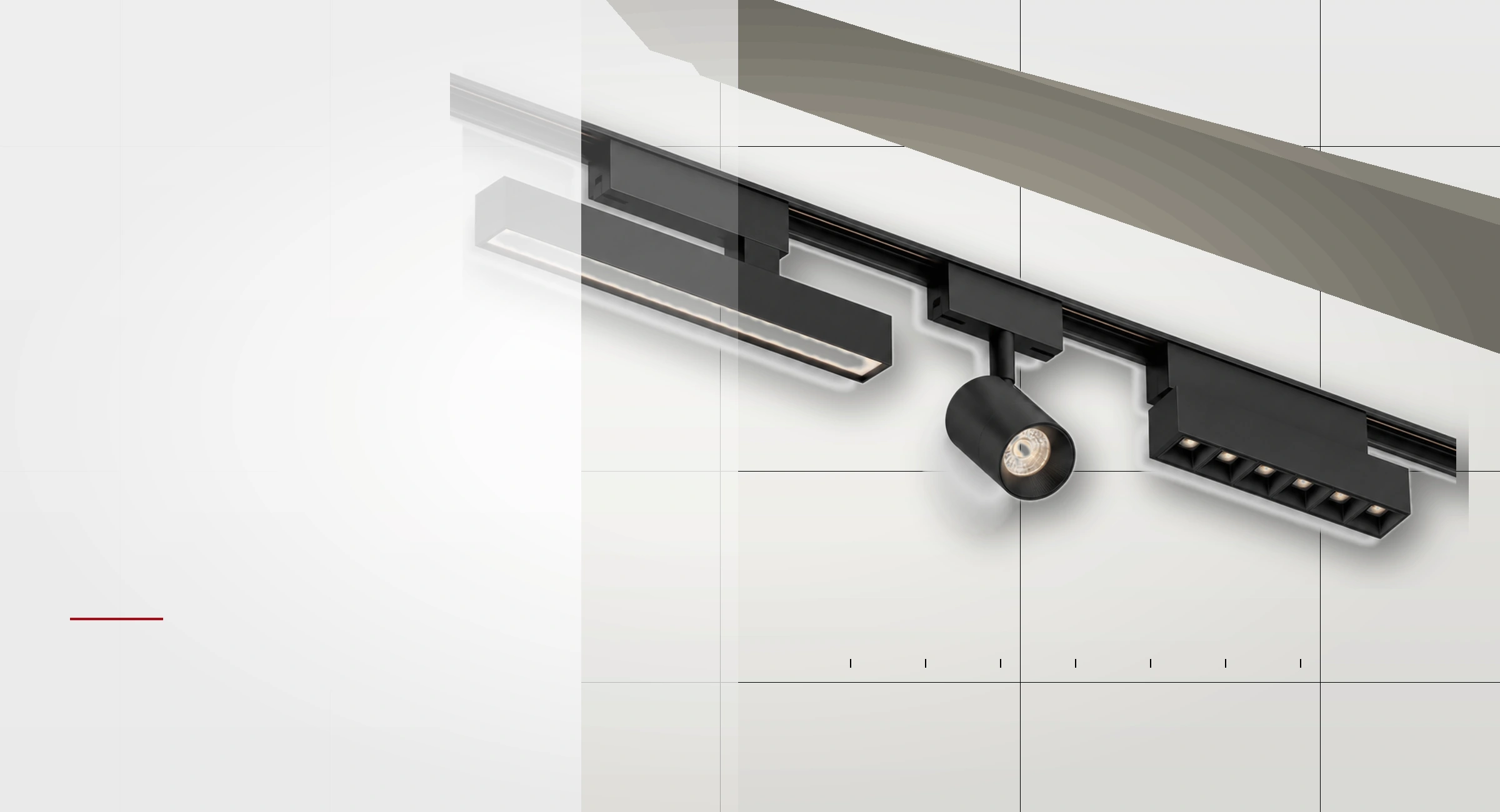
15° Very Narrow
Sharp accent lighting for small objects and focused display points.
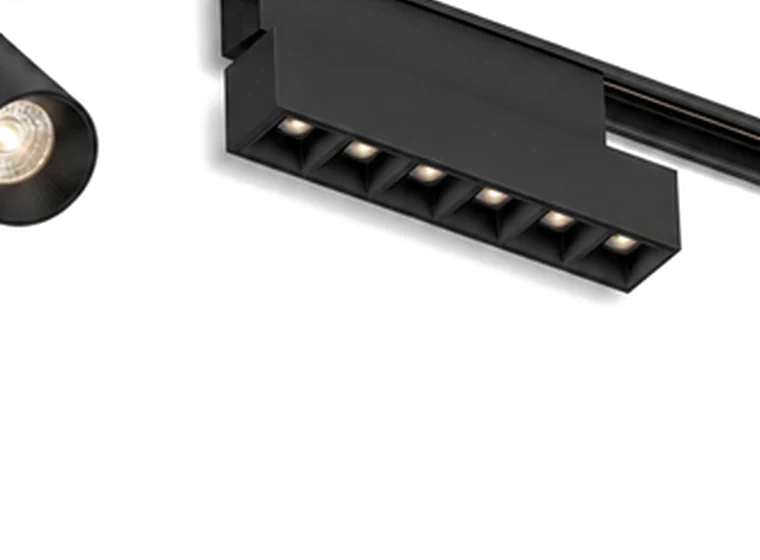
24° Narrow
Strong highlights for retail displays, walls and feature zones.
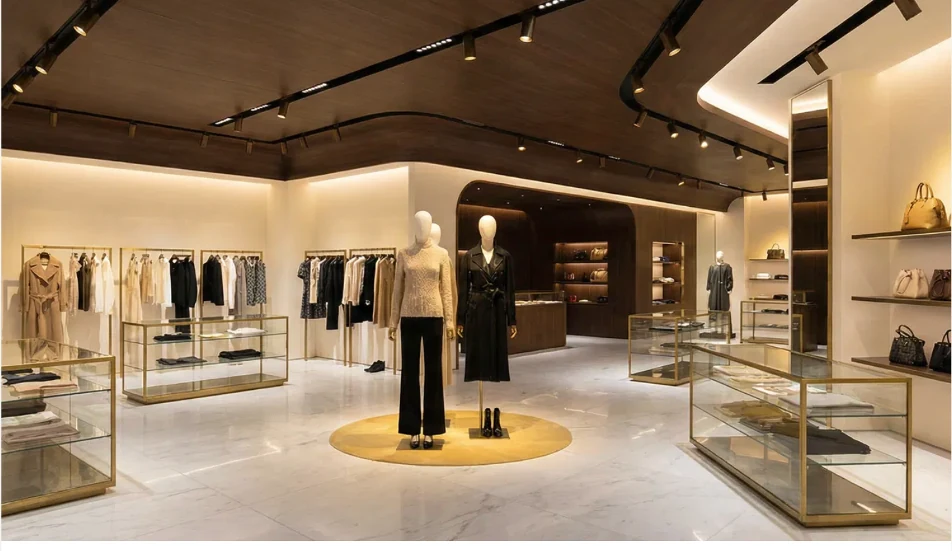
36° Medium
Balanced illumination for most commercial and gallery applications.
60° Wide
Soft ambient lighting for larger areas and comfortable circulation.
03Guest Room and Bathroom Lighting
Guest rooms need flexible scenes for arrival, reading, working and sleeping. Use warm, low-glare recessed lighting for general comfort, dedicated reading light at the bed and vertical illumination near wardrobes and mirrors.
Bathrooms require appropriate IP protection near wet zones, accurate colour rendering at mirrors and separate night lighting that does not disturb sleep.
04Restaurants, Bars and Public Areas
Hospitality dining areas benefit from warm light, controlled contrast and focused illumination on tables. Adjustable spotlights and pendant luminaires help define zones without flattening the atmosphere.
Corridors and lift lobbies should maintain safe wayfinding with restrained brightness, while accent lighting can reveal textures, room numbers and artwork.
Beam Angle and Mounting Height
| Ceiling Height | Recommended Beam Angle | Best Use |
|---|---|---|
| 2.5–3m | 15°–24° | Accent lighting, display highlights |
| 3–4m | 24°–36° | General lighting, retail, galleries |
| 4m+ | 36°–60° | Ambient lighting, large areas |
05Controls, Maintenance and Specification
Create separate scenes for daytime, evening, cleaning and events. DALI or other addressable control systems can reduce energy use and simplify commissioning across large properties.
Specify replaceable drivers where possible, verify flicker performance, use consistent colour quality and document aiming positions. These decisions improve long-term visual consistency and reduce maintenance disruption.