
KEY TAKEAWAYS
- The first IP digit covers solid objects; the second covers water exposure.
- Select protection for the actual site condition, mounting orientation and maintenance plan.
- A higher IP number does not replace corrosion, impact or temperature requirements.
- Correct cable entries, drainage and gasket maintenance are essential outdoors.
01What Does an IP Rating Mean?
An IP rating describes how well an enclosure protects electrical equipment from solid objects and water. The first digit refers to protection against solids such as fingers, tools and dust. The second digit refers to water protection, from dripping water through powerful jets and temporary immersion.
The rating helps designers compare products, but it is not a complete measure of outdoor durability. Materials, seals, cable entries, drainage, installation orientation and maintenance all affect performance. The selected luminaire should be evaluated as part of the complete installation rather than by its IP number alone.
02Choosing Ratings for Common Outdoor Areas
Covered exterior areas may require less water protection than exposed facades or landscape zones, but wind-driven rain can still reach fittings under canopies. Wall lights, soffit downlights and exterior track systems should therefore be selected for the actual exposure of the site, not simply whether the location has a roof.
Ground-recessed luminaires and low-level landscape fixtures face additional risks from standing water, soil and irrigation. These applications often need higher ingress protection, effective drainage and carefully sealed connections. Always follow local electrical rules and the manufacturer's stated mounting conditions.
Common Outdoor Protection Levels
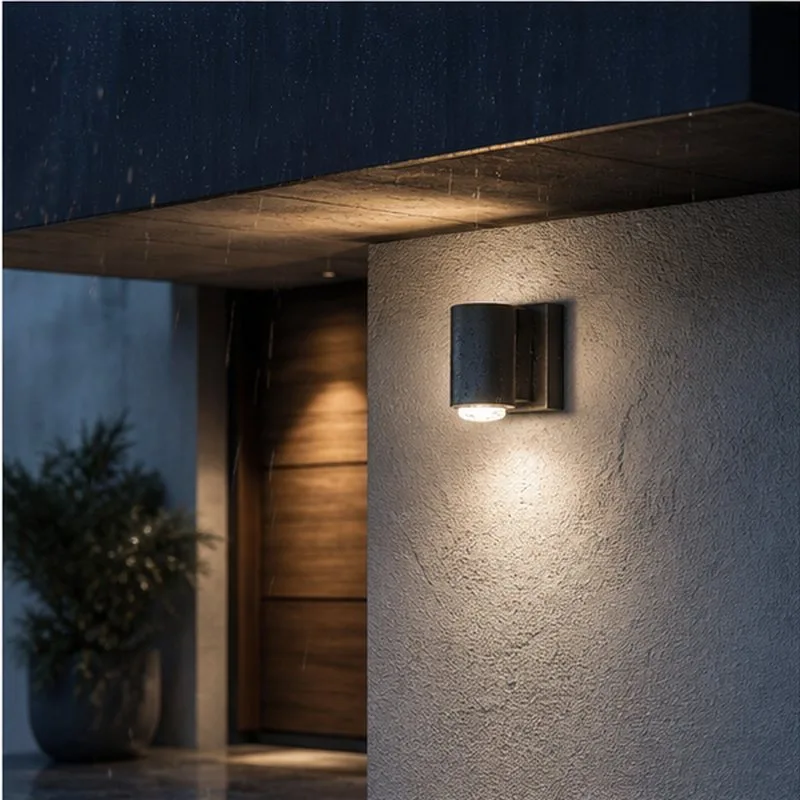
IP44 Sheltered Exterior
Protection for limited splash exposure in appropriately sheltered locations.
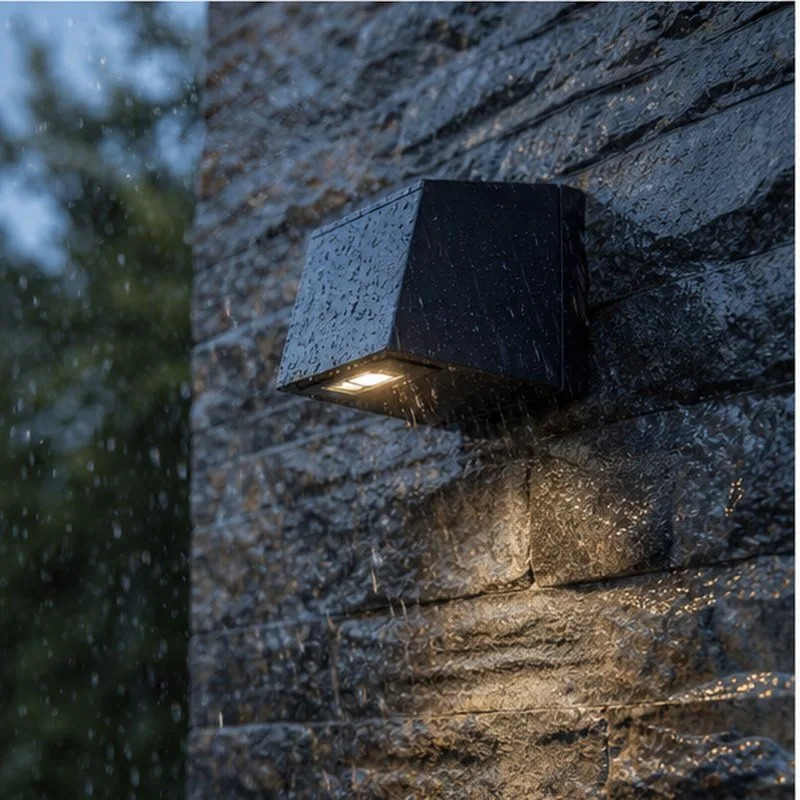
IP65 Exposed Facade
Dust-tight construction with protection against water jets for exposed walls.
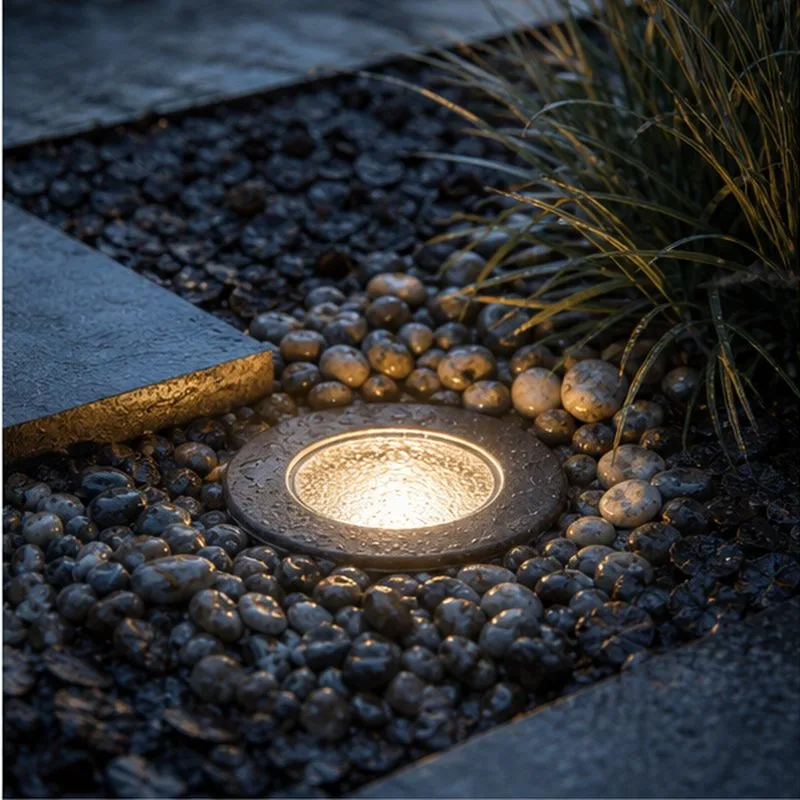
IP67 Ground and Landscape
Protection suited to temporary immersion conditions when installation details comply.
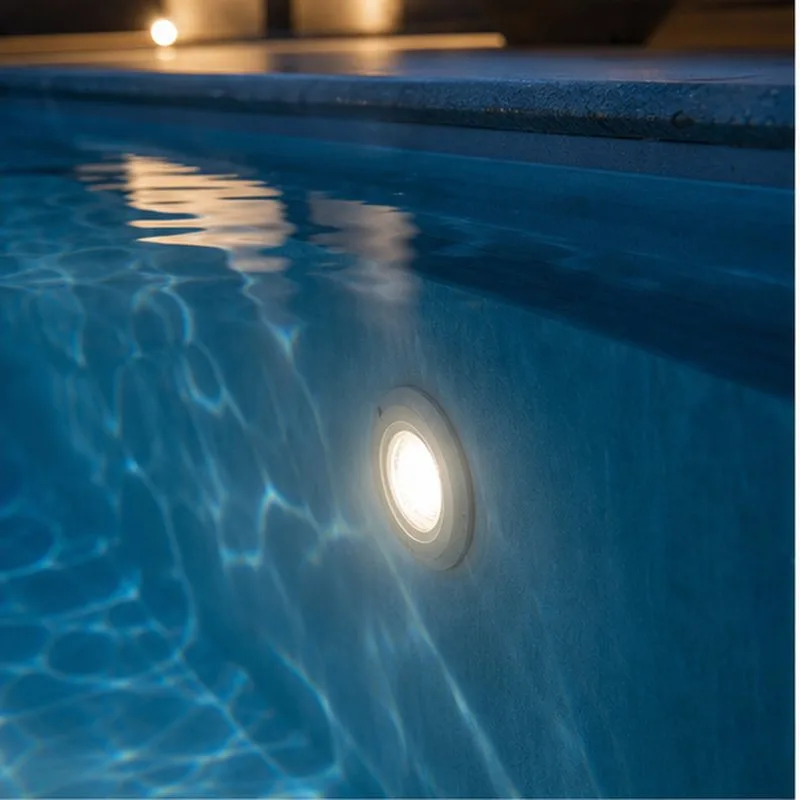
IP68 Specified Immersion
Products designed for continuous immersion only within stated depth and duration limits.
03Why a Higher Number Is Not Always Better
The highest available IP rating is not automatically the best specification. A heavily sealed fitting may cost more, run hotter or be unnecessary in a sheltered application. The goal is to match protection to the environmental risk while maintaining optical performance, serviceability and project budget.
It is also important to distinguish water jets from immersion. A product tested for strong spray is not necessarily designed to remain underwater, and an immersion rating may apply only at a stated depth and duration. Read the full product documentation instead of relying on one number.
04Consider Corrosion, Impact and Temperature
Ingress protection does not describe resistance to corrosion, ultraviolet exposure, impact or extreme temperature. Coastal and poolside projects may require marine-grade finishes, appropriate stainless steel and careful separation of dissimilar metals. Public areas may also need an IK impact rating to reduce damage from accidental contact or vandalism.
Thermal conditions can change seal performance and LED life. Select products with suitable ambient-temperature limits, corrosion protection and gasket materials. Reliable outdoor lighting depends on the enclosure, finish, driver and installation details working together.
Outdoor Lighting Selection Checklist
| Location | Typical Exposure | Design Check |
|---|---|---|
| Covered entrance | Wind-driven rain | Confirm actual reach of rain and mounting orientation |
| Exposed facade | Rain, dust and cleaning | Check seals, glands, finish and drainage |
| Ground-recessed zone | Standing water and soil | Provide drainage and approved connections |
05Installation and Maintenance Checklist
Verify the required rating, approved orientation and cable-entry method before installation. Keep seals clean, tighten glands correctly and avoid piercing the enclosure in ways that invalidate the rating. Provide drainage around in-ground fittings and keep drivers or junction boxes in locations suited to their own environmental exposure.
During maintenance, inspect cracked lenses, loose fasteners, damaged gaskets and signs of condensation. Cleaning should follow the manufacturer's instructions so that seals and coatings are not harmed. Correct specification plus disciplined installation is the most reliable path to long outdoor service life.