

KEY TAKEAWAYS
- Use transparent and realistic daylight inputs
- Model shading and controls together
- Zone luminaires to match daylight distribution
- Verify predicted savings through commissioning
01A Standardized View of Daylight Savings
ISO/CIE 10916:2024 provides a method for calculating the effect of daylight utilization on lighting energy performance. It helps teams connect climate, building geometry, daylight availability and control behavior.
The method supports consistent comparison, but results remain dependent on accurate project inputs.
02The Inputs That Drive Results
Window geometry, glazing, obstructions, surface reflectance, occupancy schedules and target illuminance all influence predicted lighting energy. Assumptions should be visible and traceable.
A small change in operating hours or shading behavior can materially change annual results.
Industry Impact at a Glance
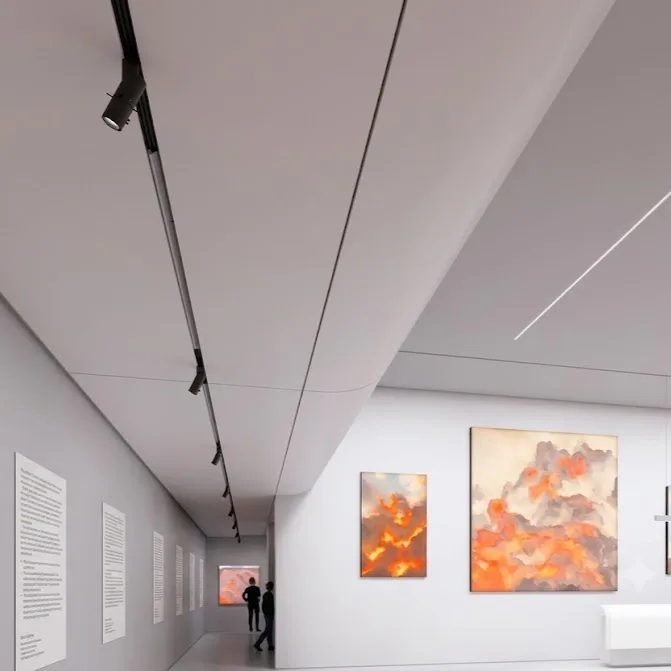
01 Use transparent and realistic
Use transparent and realistic daylight inputs. This point should be documented and verified during project delivery.

02 Model shading and controls
Model shading and controls together. This point should be documented and verified during project delivery.
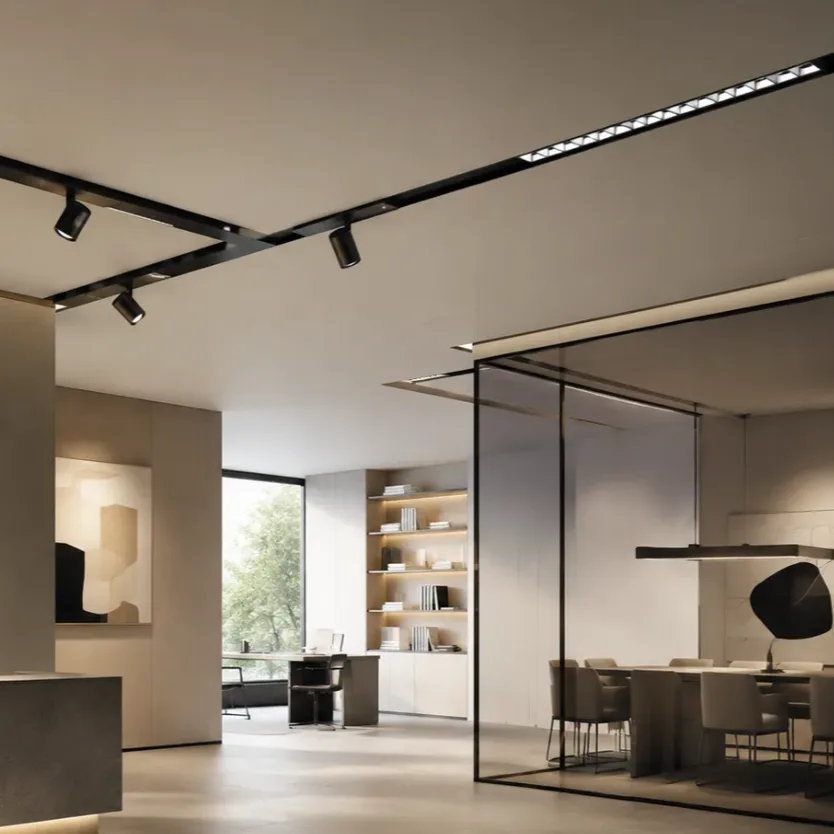
03 Zone luminaires to match
Zone luminaires to match daylight distribution. This point should be documented and verified during project delivery.

04 Verify predicted savings through
Verify predicted savings through commissioning. This point should be documented and verified during project delivery.
03Controls Convert Daylight into Energy Savings
Daylight does not save electric energy unless luminaires respond. Continuous dimming, stepped control or switching must be defined with realistic setpoints and zoning.
Sensors need appropriate positions and calibration so the control system sees conditions that represent the occupied area.
04Avoiding Common Modeling Errors
Overly optimistic schedules, permanently open blinds or perfect controls can exaggerate savings. Model likely shading use, minimum dim levels, standby loads and manual overrides.
Compare alternatives using the same assumptions so product or design choices remain meaningful.
Project Planning Matrix
| Project Stage | Priority | Recommended Action |
|---|---|---|
| Concept | Design intent | Define performance goals and applicable standards |
| Specification | Evidence | Verify product data, controls and interoperability |
| Commissioning | Real performance | Test settings, document results and review after occupancy |
05From Calculation to Measured Performance
Commission daylight sensors, verify dimming response and record actual schedules after occupancy. Energy data can then be compared with predictions and used to tune the system.
This feedback turns a compliance calculation into a tool for continuous improvement.