
KEY TAKEAWAYS
- Ambient lighting establishes comfortable orientation and a stable visual background.
- Task lighting delivers light precisely where people work, read, select or transact.
- Accent and vertical lighting create hierarchy, reveal materials and shape perceived brightness.
- Independent dimming and scene control make the layers adaptable and energy conscious.
01What Is Layered Lighting?
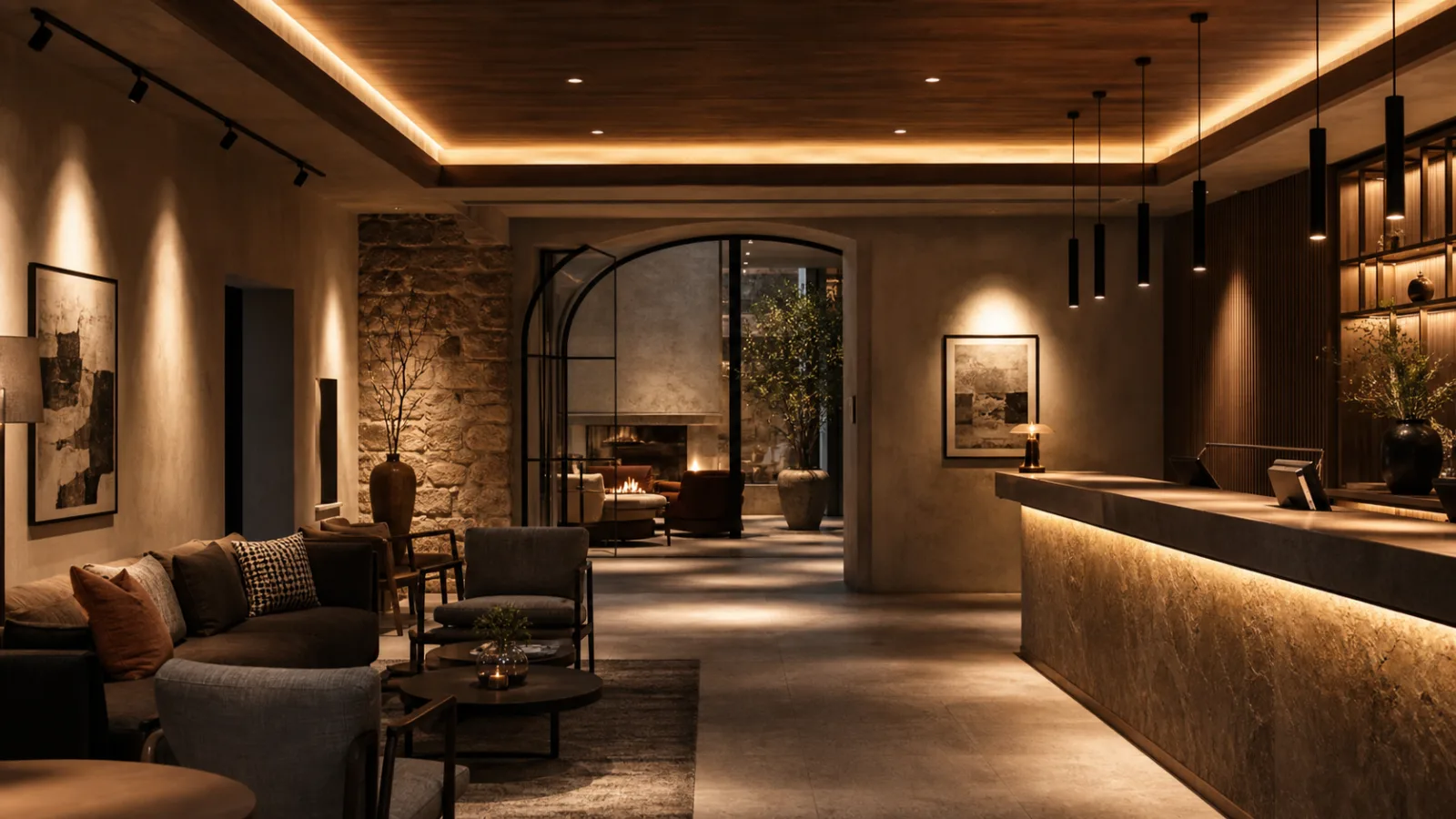
Layered lighting uses several complementary types of light rather than asking one luminaire layout to perform every task. Ambient, task, accent and vertical lighting each answer a different visual need.
When these layers are coordinated, the space gains depth, comfort and flexibility. The result is easier to adapt for different times of day, activities and brand moods.
02Ambient Lighting: The Foundation
Ambient lighting provides the general level of illumination needed for movement, orientation and visual adaptation. It may come from recessed downlights, diffuse linear systems, indirect coves or reflected light from ceilings and walls.
The ambient layer should feel calm and dependable. It does not need to be the brightest layer, but it should prevent uncomfortable gaps and support safe circulation.
The Four Essential Lighting Layers
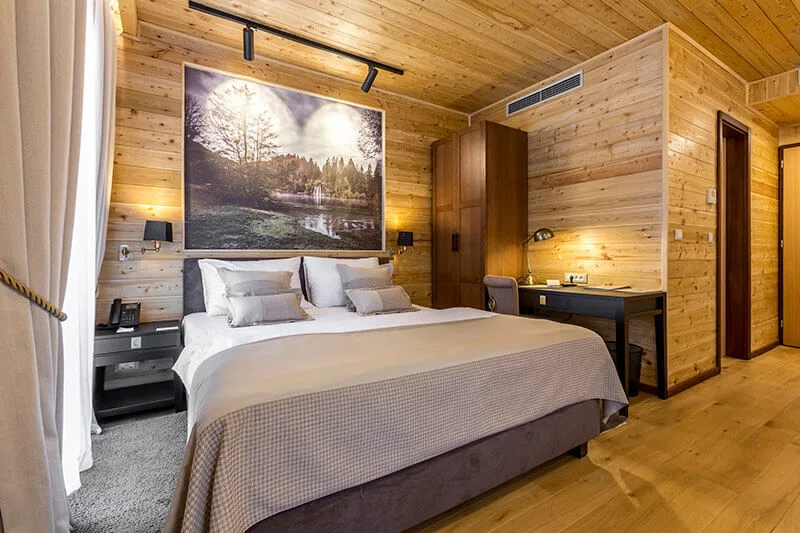
Ambient Foundation
General illumination for circulation, orientation and visual adaptation.
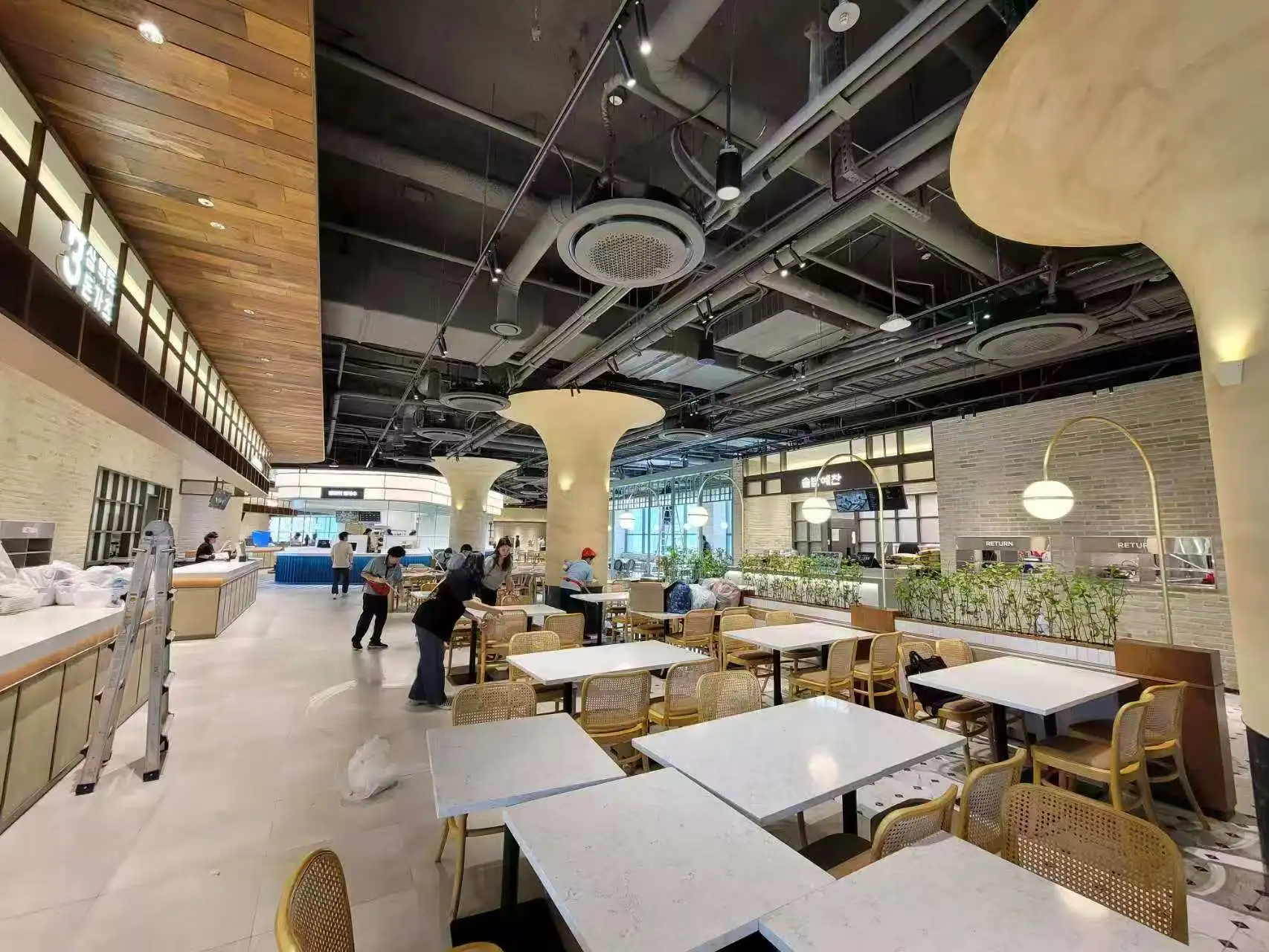
Task Performance
Focused light for counters, tables, displays and detailed activities.
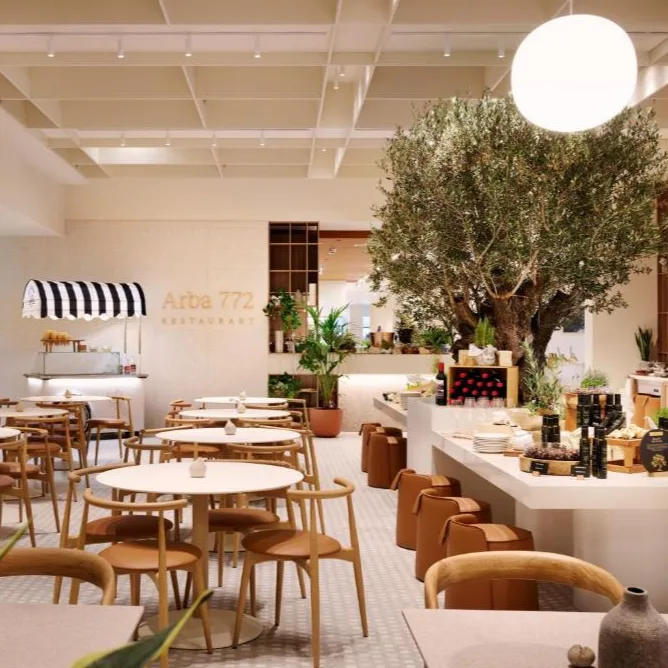
Accent Hierarchy
Higher-contrast light that directs attention to selected features.
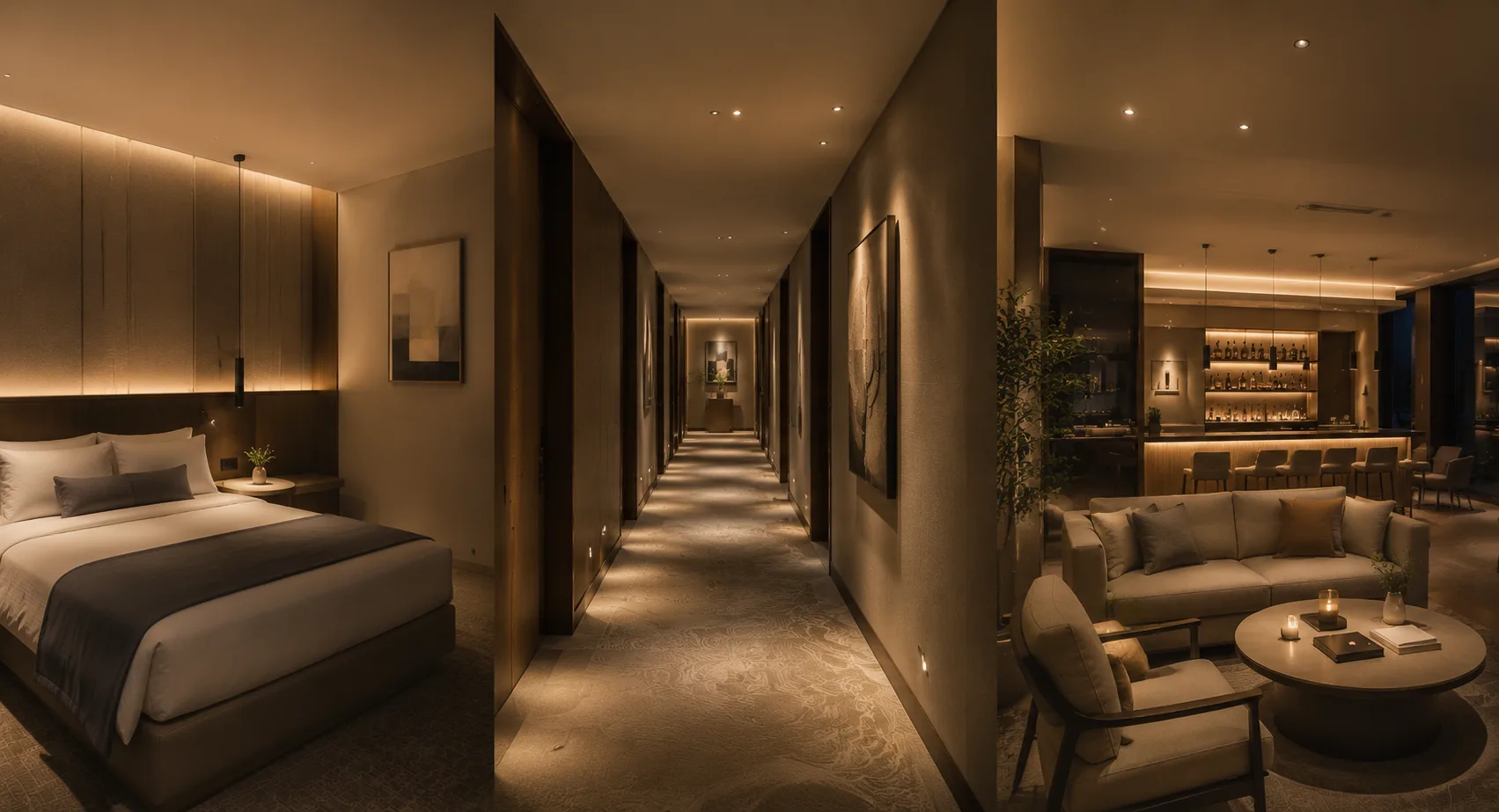
Vertical Spatial Brightness
Illuminated walls and shelves make spaces feel open and legible.
03Task Lighting: Light Where Work Happens
Task lighting delivers useful illumination to reception desks, counters, tables, shelves and other working areas. It should respond to the size, contrast and duration of the visual task.
A focused task layer can improve performance without raising the brightness of the entire room. Good shielding and placement help prevent reflections, harsh shadows and glare.
04Accent Lighting: Focus and Visual Hierarchy
Accent lighting directs attention to merchandise, artwork, textures and architectural features. Narrow or medium beams create higher contrast, while careful aiming keeps the source outside normal sight lines.
Accent light is most effective when it supports a clear hierarchy. Too many equally bright focal points compete with one another and weaken the intended experience.
Layered Lighting Design Checklist
| Lighting Layer | Primary Purpose | Typical Equipment |
|---|---|---|
| Ambient | Comfort and orientation | Downlights, linear light, indirect coves |
| Task | Visual performance | Focused downlights, pendants, integrated shelf light |
| Accent | Attention and hierarchy | Track spotlights, adjustable recessed luminaires |
05Controls Bring the Layers Together
Dimming and scene controls allow each layer to respond independently to daylight, occupancy and different uses. A hospitality venue may need daytime, evening, cleaning and event scenes; retail spaces may adjust emphasis as displays change.
Design the control strategy early, commission every scene on site and document final settings. Layered lighting succeeds when optics, positioning and controls work as one coherent system.