
KEY TAKEAWAYS
- Connect lighting to LEED v5 quality-of-life goals
- Design glare, colour and brightness together
- Make controls match real operations
- Protect documented performance through commissioning
01LEED v5 Raises the Performance Conversation
LEED v5 places decarbonization, quality of life and ecological conservation at the center of the rating system. Interior lighting contributes through energy performance, controllability and the quality of occupied spaces.
Teams should use the final rating-system language and project-specific scorecard rather than relying on earlier LEED habits.
02Interior Lighting Quality
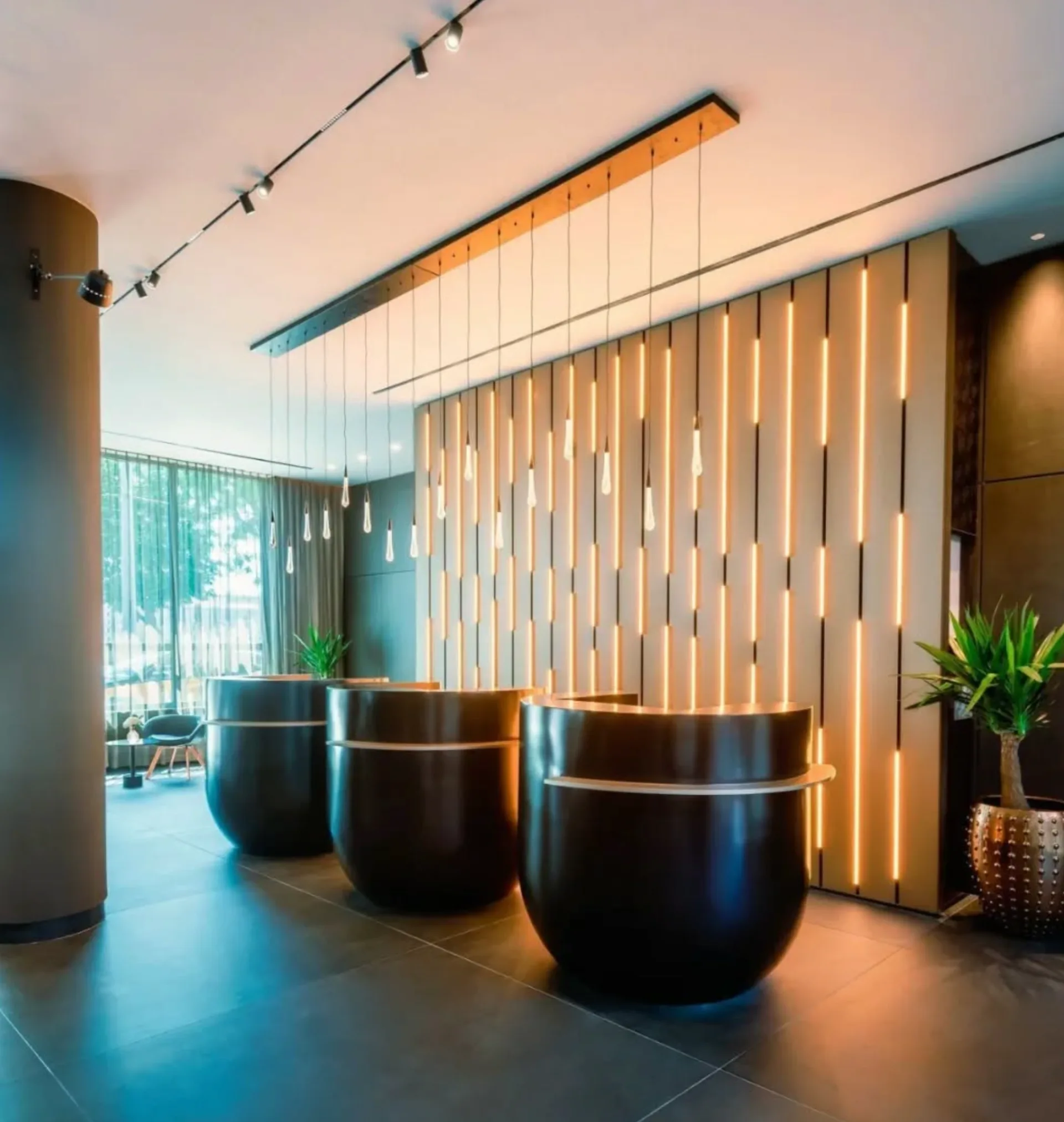
Interior lighting pathways emphasize visual comfort and colour quality. Glare, colour rendering, surface brightness and task suitability should be resolved together, not treated as independent checkboxes.
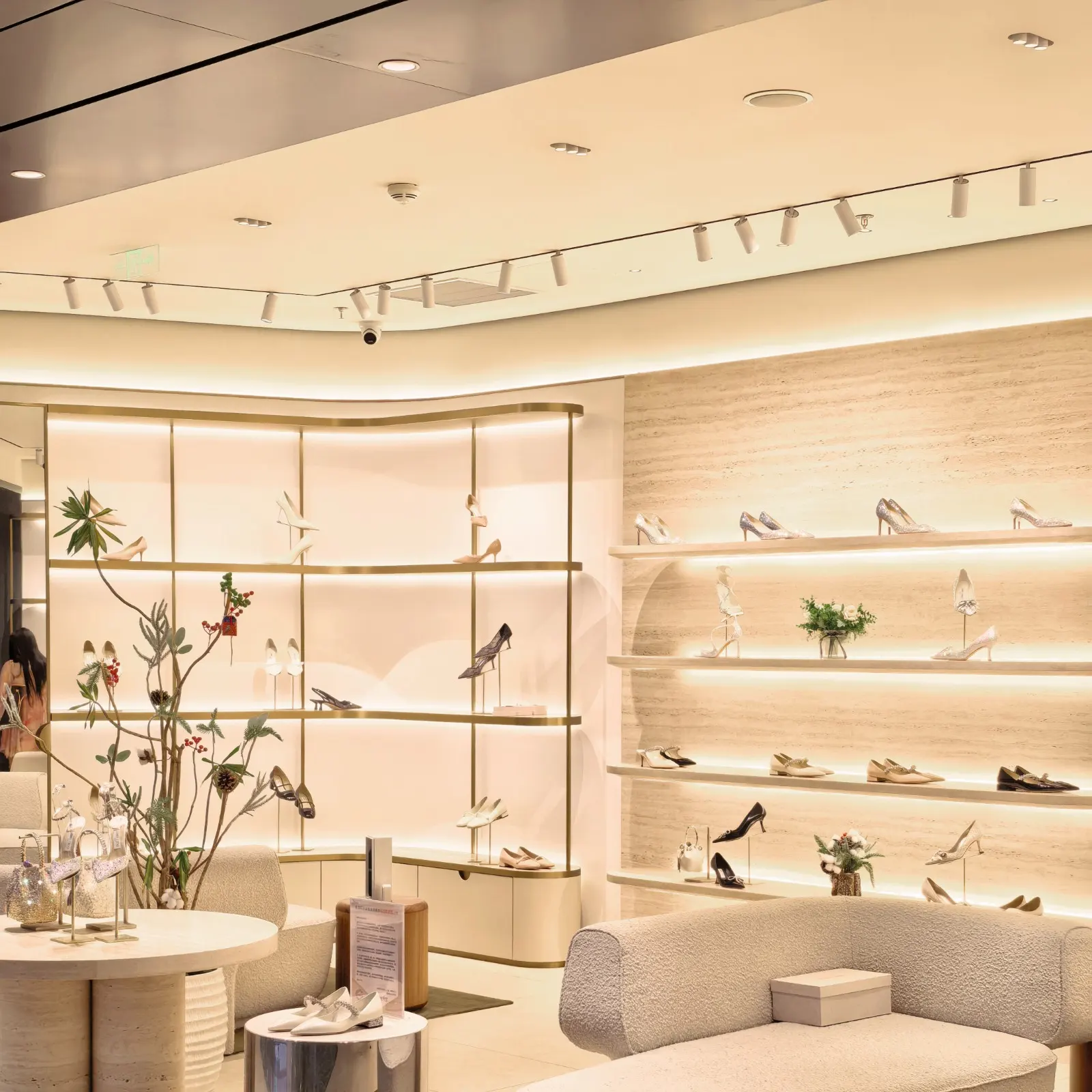
For hospitality, retail and workplace interiors, mock-ups can reveal reflections, contrast and material shifts that calculations alone may miss.
Industry Impact at a Glance
01 Connect lighting to LEED
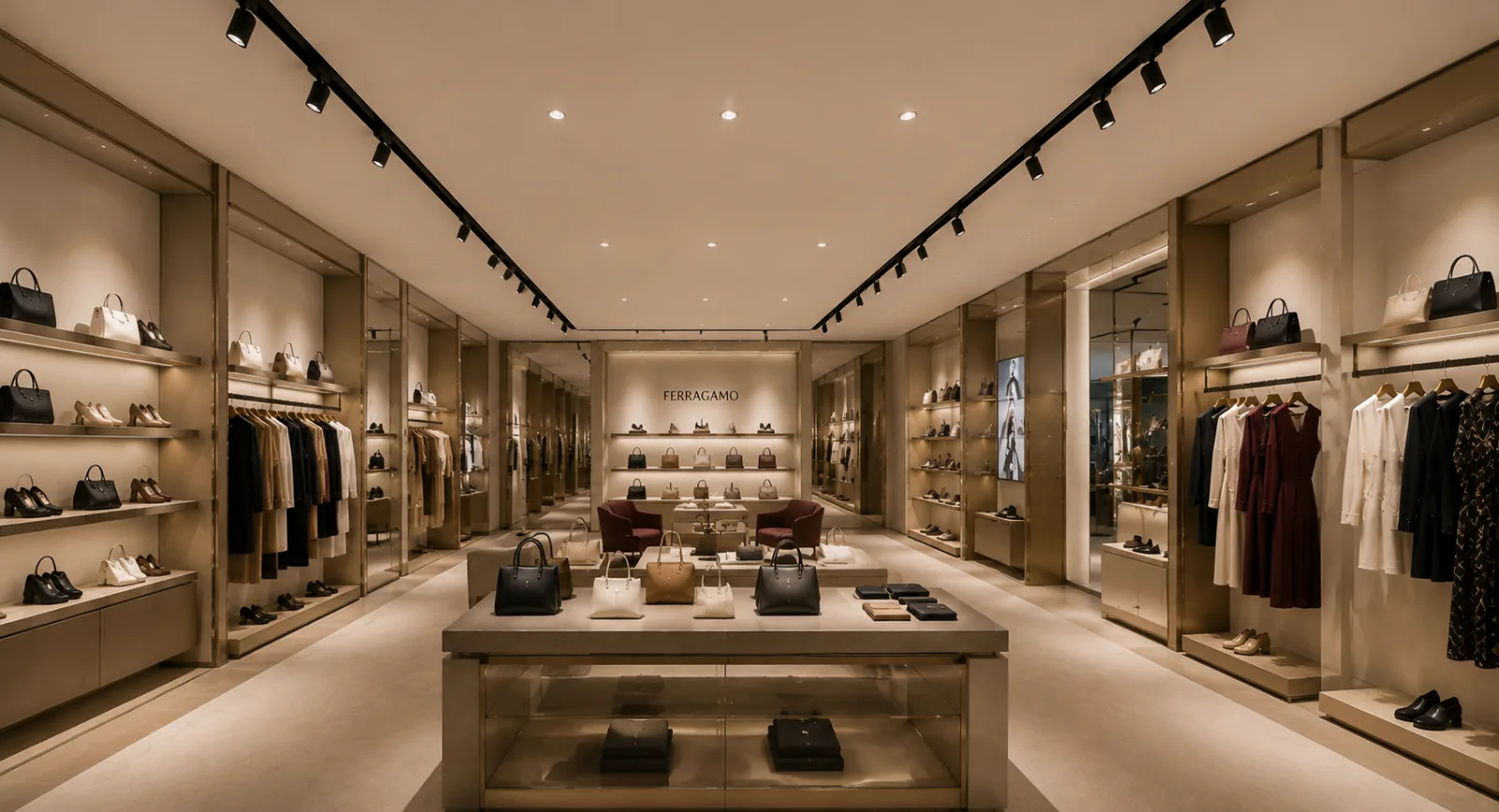
Connect lighting to LEED v5 quality-of-life goals. This point should be documented and verified during project delivery.
02 Design glare, colour and
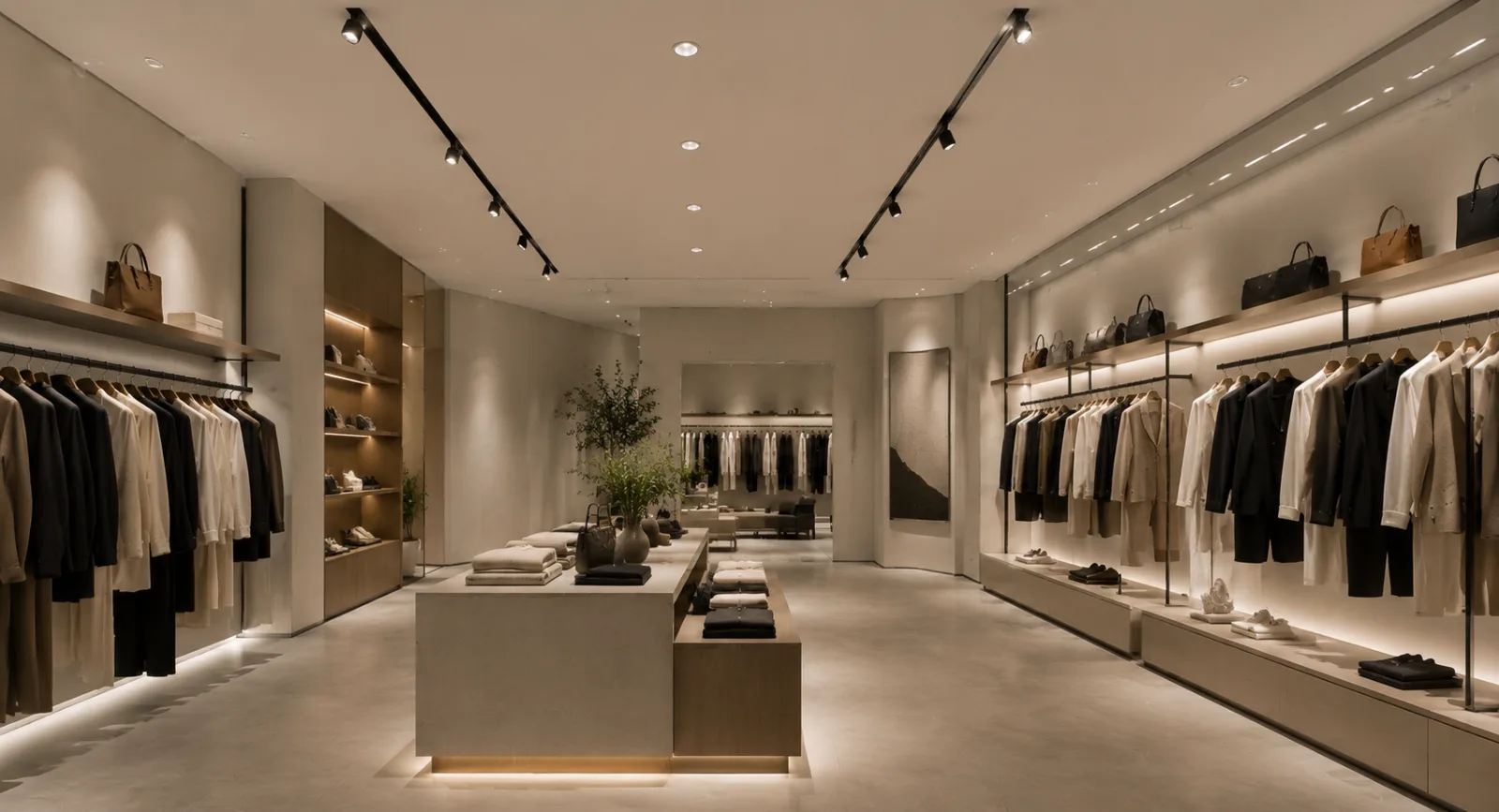
Design glare, colour and brightness together. This point should be documented and verified during project delivery.
03 Make controls match real
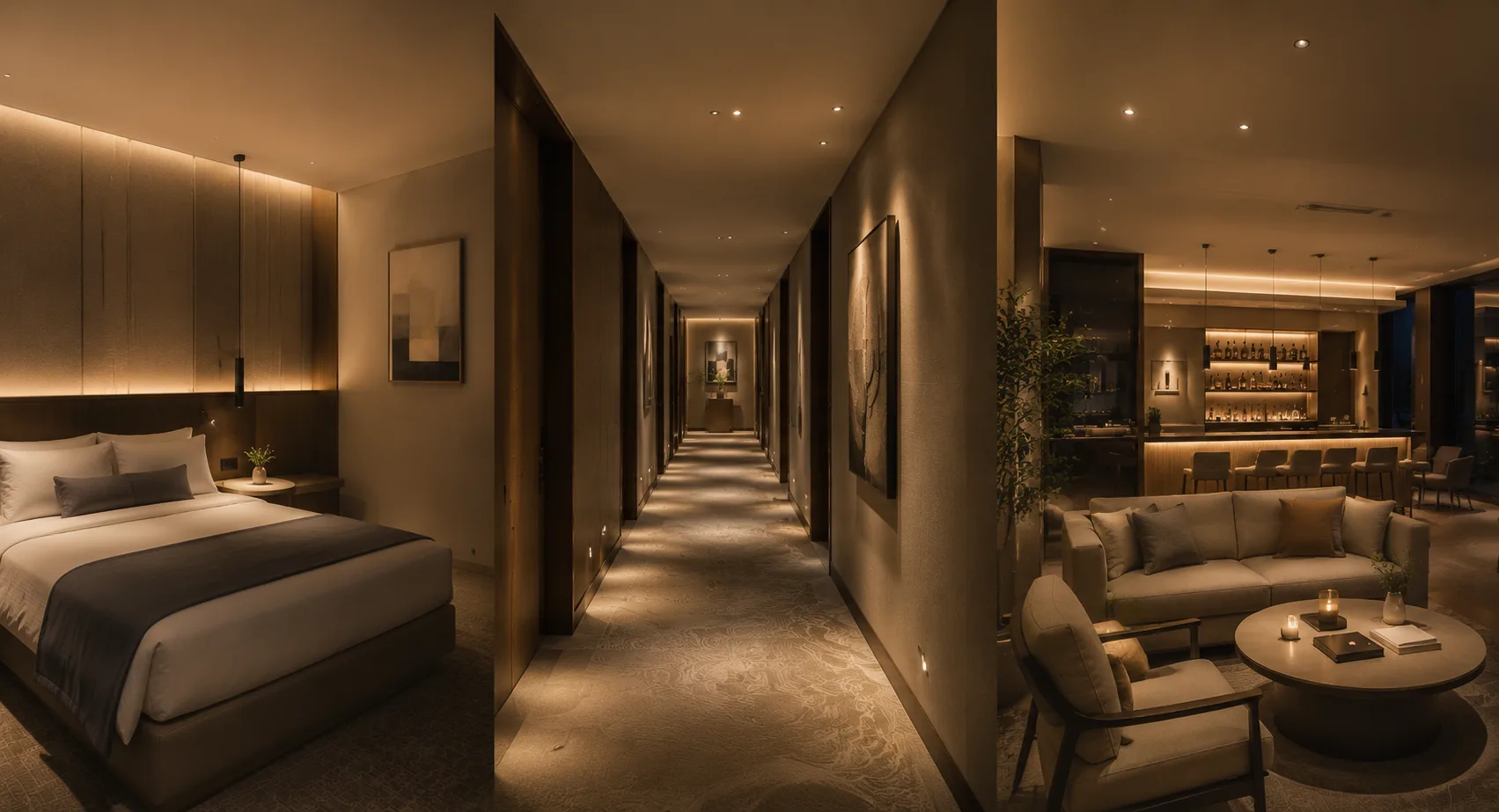
Make controls match real operations. This point should be documented and verified during project delivery.
04 Protect documented performance through
Protect documented performance through commissioning. This point should be documented and verified during project delivery.
03Energy and Controls
Efficient luminaires remain important, but controls determine whether installed efficiency becomes operational savings. Daylight response, occupancy sensing, scheduling and user control should match the way each space actually operates.
Metering and commissioning help confirm that scenes, sensor delays and setpoints perform as intended.
04Evidence, Coordination and Commissioning
LEED documentation is easier when lighting decisions are traceable from concept through installation. Keep luminaire data, photometric calculations, control narratives, commissioning records and substitution reviews organized.
Coordinate architectural finishes and ceiling details because they directly affect reflected light and glare.
Project Planning Matrix
| Project Stage | Priority | Recommended Action |
|---|---|---|
| Concept | Design intent | Define performance goals and applicable standards |
| Specification | Evidence | Verify product data, controls and interoperability |
| Commissioning | Real performance | Test settings, document results and review after occupancy |
05A Practical LEED v5 Workflow
Begin with credit goals, then translate them into room-by-room lighting criteria. Evaluate products using consistent evidence, test representative spaces and protect performance during value engineering.
Finally, train facility teams and schedule a post-occupancy review so the design continues to deliver comfort and energy savings.