
KEY TAKEAWAYS
- Uniformity compares the lowest illuminance with the average across a defined calculation area.
- More uniform light can improve comfort and orientation, but excessive sameness may flatten a space.
- Beam distribution, luminaire spacing, mounting height and surface reflectance all affect uniformity.
- The strongest commercial schemes combine a stable ambient layer with controlled accent contrast.
01What Is Lighting Uniformity?
Lighting uniformity describes how evenly illuminance is distributed across a defined area. It is commonly expressed as the minimum illuminance divided by the average illuminance, although some standards also compare minimum with maximum values.
A higher ratio indicates a more even result. However, uniformity should always be assessed alongside the purpose of the space, because perfect sameness can remove depth, focus and atmosphere.
02Why Uniformity Matters
Good uniformity supports visual comfort, orientation and task performance. It reduces dark patches that can make circulation feel uncertain and helps people see products, faces and work surfaces consistently.
In commercial interiors, the goal is usually controlled variation: enough baseline uniformity for comfort, with deliberate contrast where attention is required.
Four Layers for Balanced Uniformity
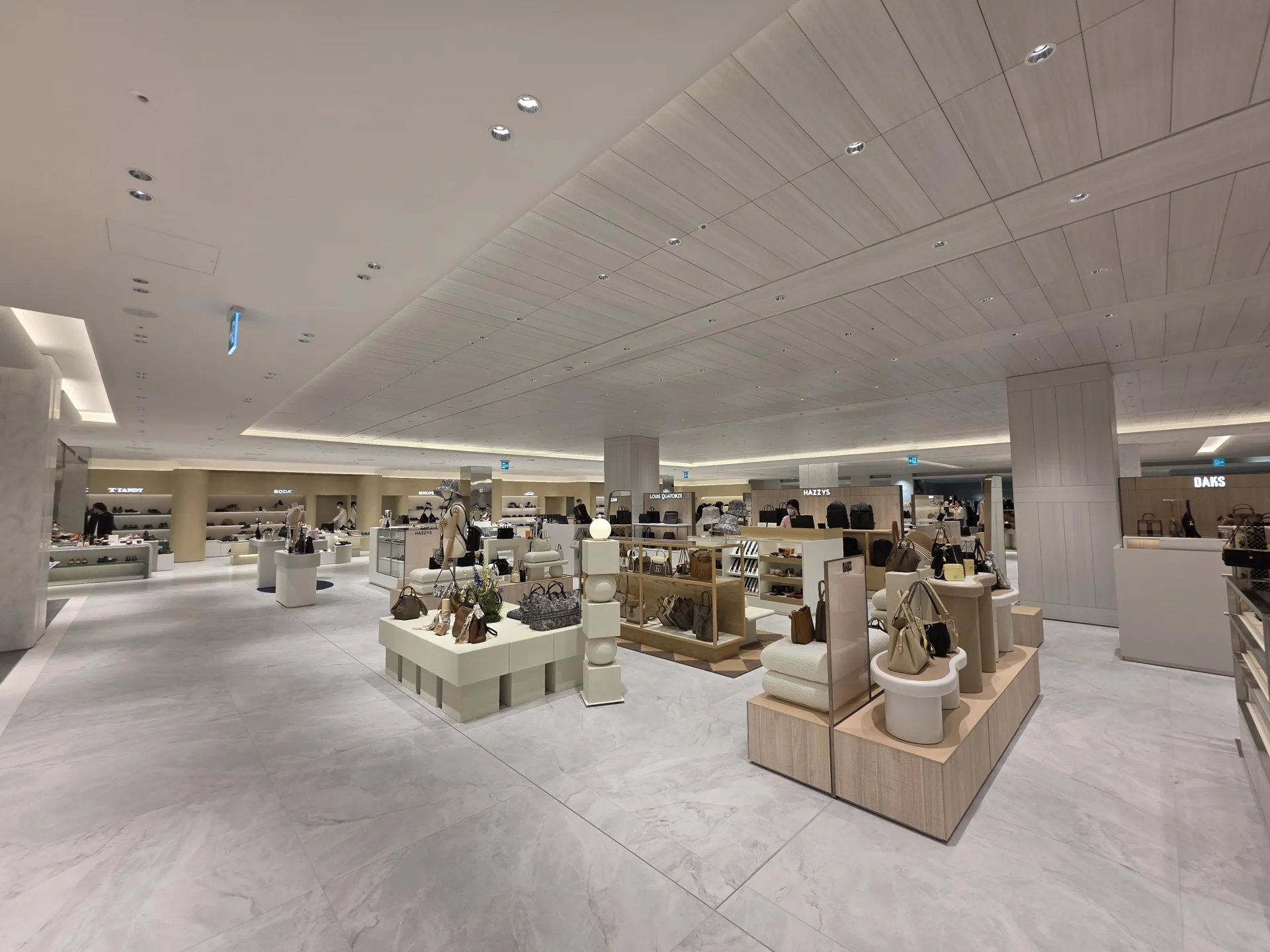
Ambient Base Layer
Provides dependable illumination for circulation and general visual tasks.

Accent Focal Layer
Creates hierarchy by directing higher intensity toward products and features.

Vertical Spatial Layer
Brightens walls and displays, improving perceived brightness and orientation.
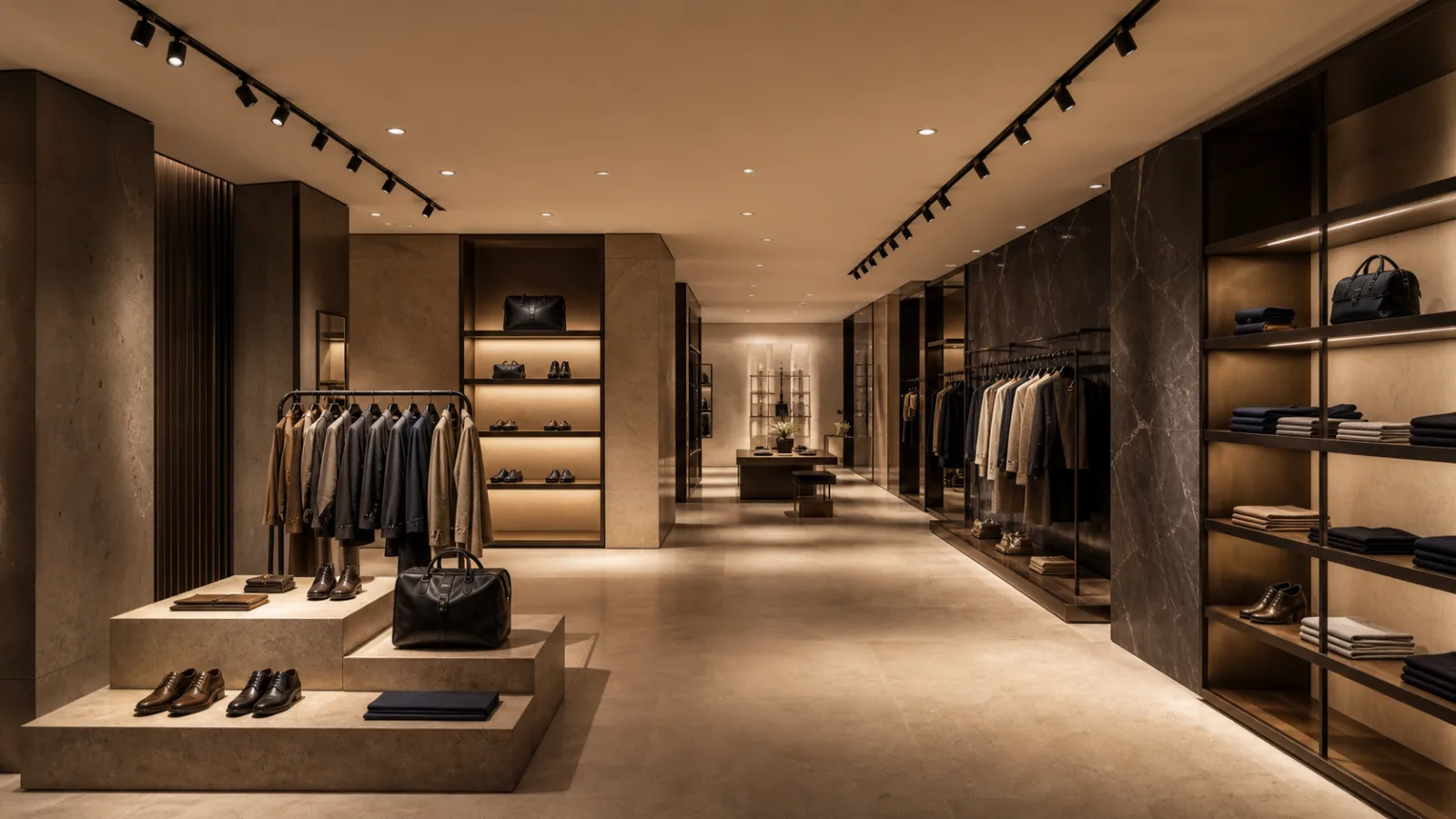
Control Adaptive Layer
Uses dimming and scenes to tune contrast for changing activities and daylight.
03How Lighting Uniformity Is Measured
Designers calculate illuminance on a grid at the relevant working plane, then compare the lowest reading with the average. The grid, calculation height, maintenance factor and exclusion zones must be defined consistently for a meaningful result.
Computer simulations are valuable during design, but measurements after installation confirm the effects of real finishes, furniture, aiming and lumen depreciation.
04How to Improve Uniformity Without Flattening the Space
Use appropriate beam distributions, spacing-to-height ratios and overlapping light patterns to create a stable ambient layer. Control excessive peaks, avoid placing narrow beams too far apart and consider the reflectance of ceilings, walls and floors.
Then add accent lighting selectively. A well-designed scheme keeps circulation and tasks comfortable while allowing displays, textures and architectural features to stand out.
Typical Uniformity Priorities by Space
| Application | Design Priority | Practical Approach |
|---|---|---|
| Circulation | Comfort and orientation | Overlapping wide distributions with controlled glare |
| Retail display | Baseline comfort plus contrast | Uniform ambient layer with focused accents |
| Office task area | Consistent task visibility | Regular spacing and verified work-plane calculations |
05Conclusion
Uniformity is a design tool, not a universal target. The best result combines dependable baseline illumination with intentional contrast, low glare and a clear visual hierarchy.
For professional projects, evaluate uniformity together with illuminance, beam angle, mounting height, surface reflectance, CCT and controls.