
KEY TAKEAWAYS
- Optics turn raw LED output into a controlled beam
- Reflectors can provide shielding and smooth transitions
- Lenses enable compact, repeatable and specialized distributions
- Evaluate beam quality, cutoff and application together
01Why LED Optics Matter
An LED emits light over a broad range of angles. Optical components redirect that light into a useful beam, controlling intensity, cutoff, uniformity and spill.
02How Reflectors Work
Reflectors redirect rays from the LED using a shaped reflective surface. Deep reflectors can shield the source, create smooth beam transitions and support visual comfort. Surface finish and geometry influence distribution.
03How Lenses Work
Lenses refract light through transparent optical material. They can produce compact, efficient and repeatable beam patterns, including narrow, oval and asymmetric distributions.
Key Design Considerations
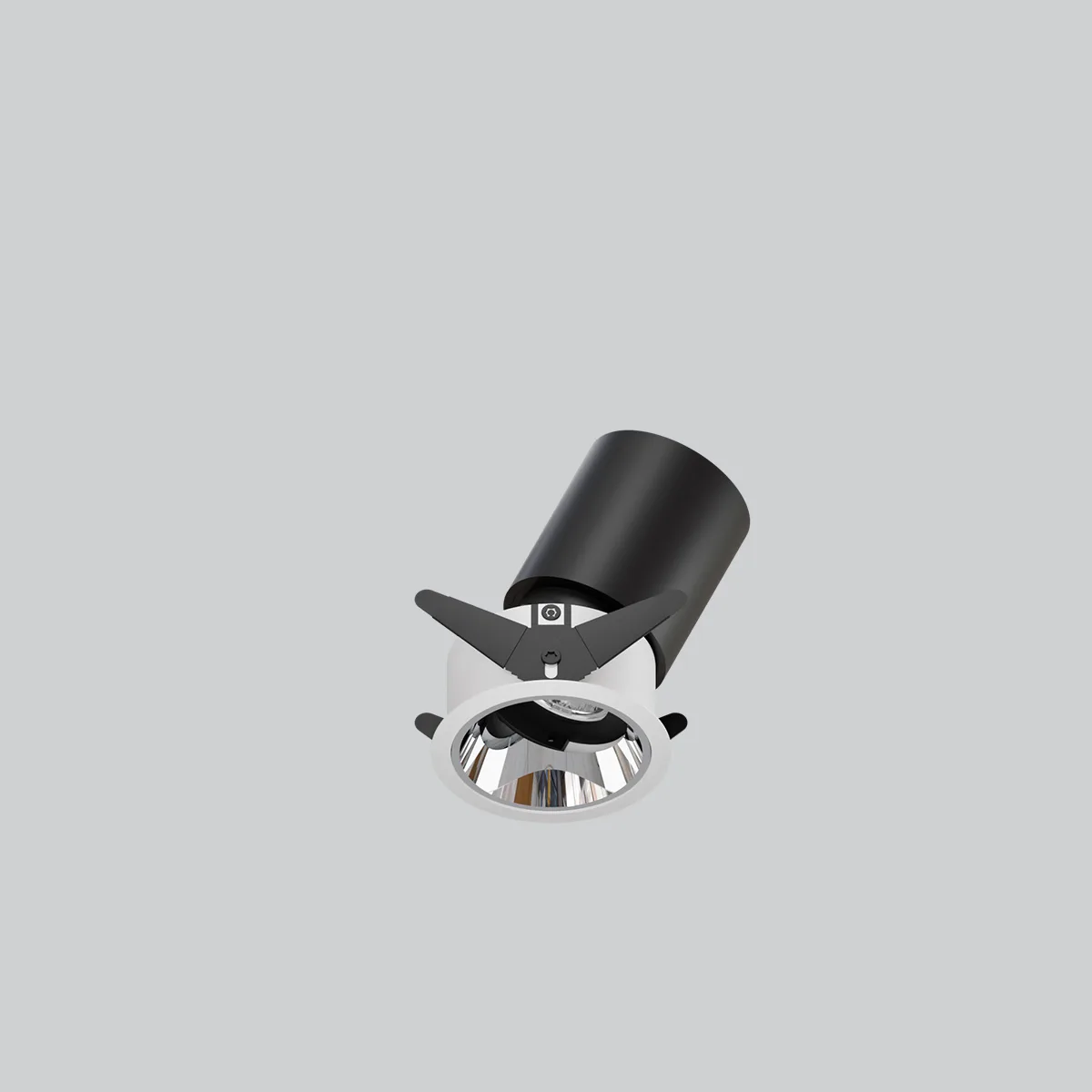
01 Reflector Control
Shaped reflective surfaces redirect light and shield the source.
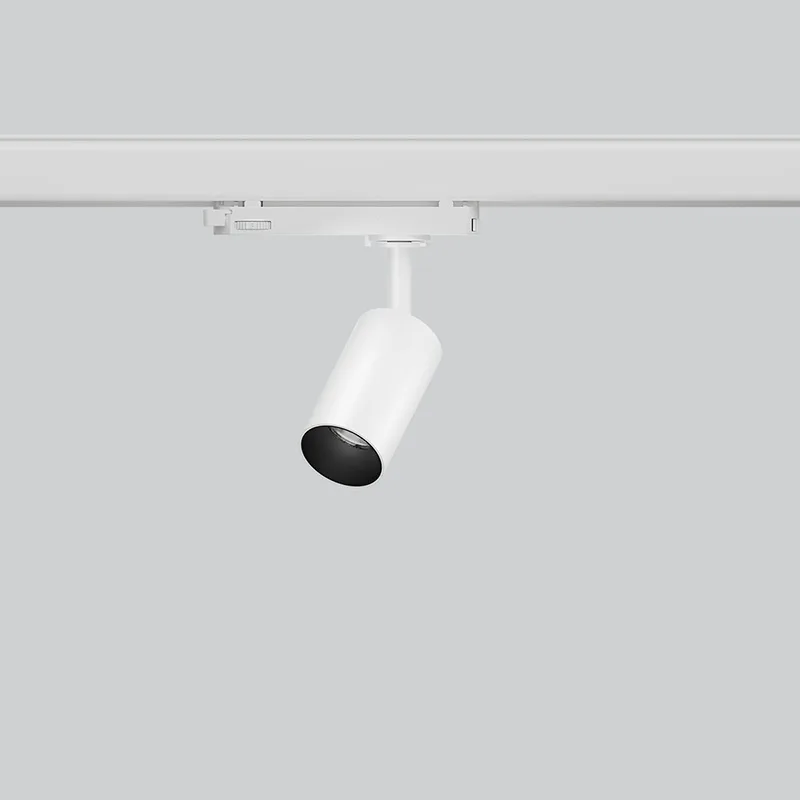
02 Lens Precision
Optical lenses create repeatable narrow, oval or asymmetric beams.
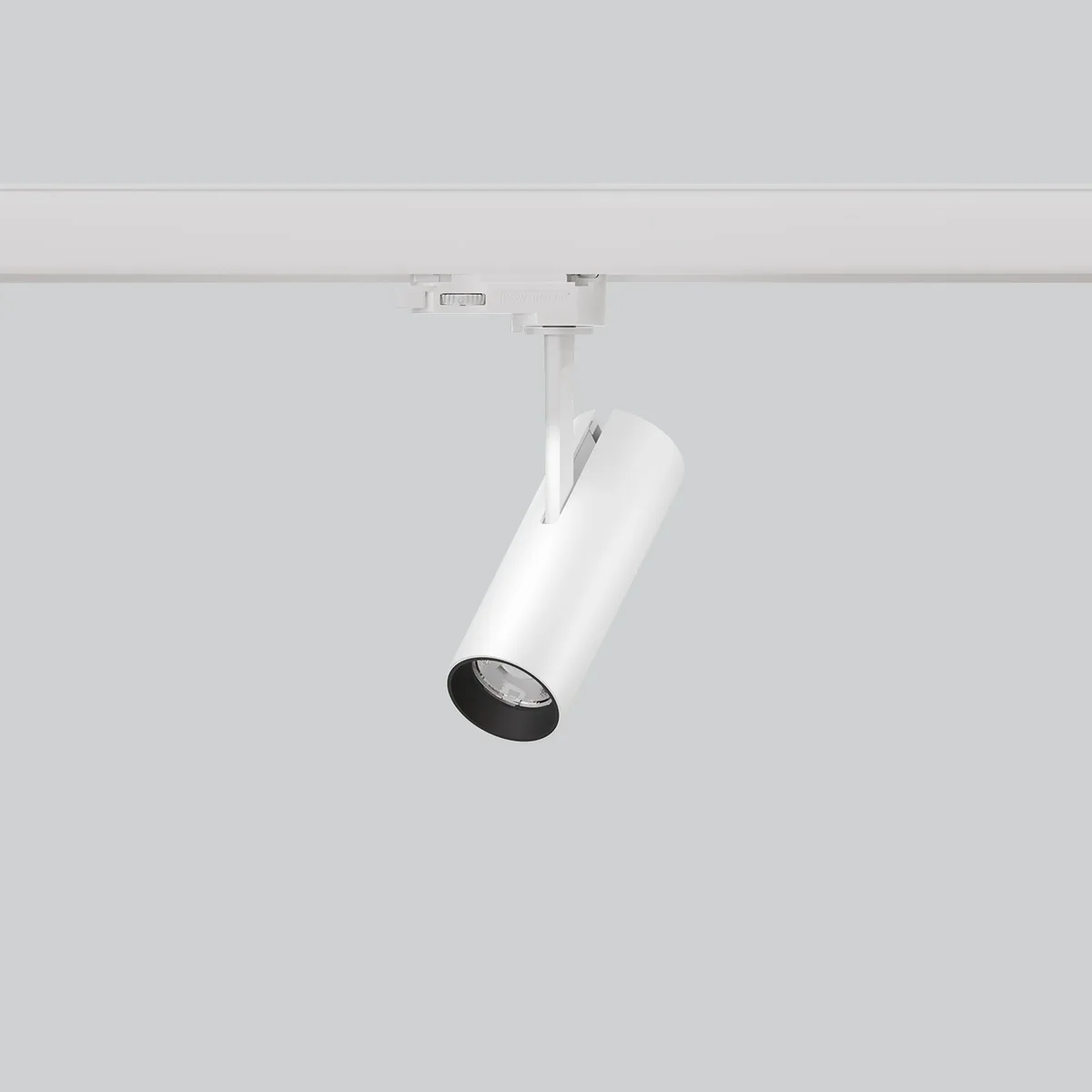
03 Modular Optics
Interchangeable components adapt one luminaire to different tasks.
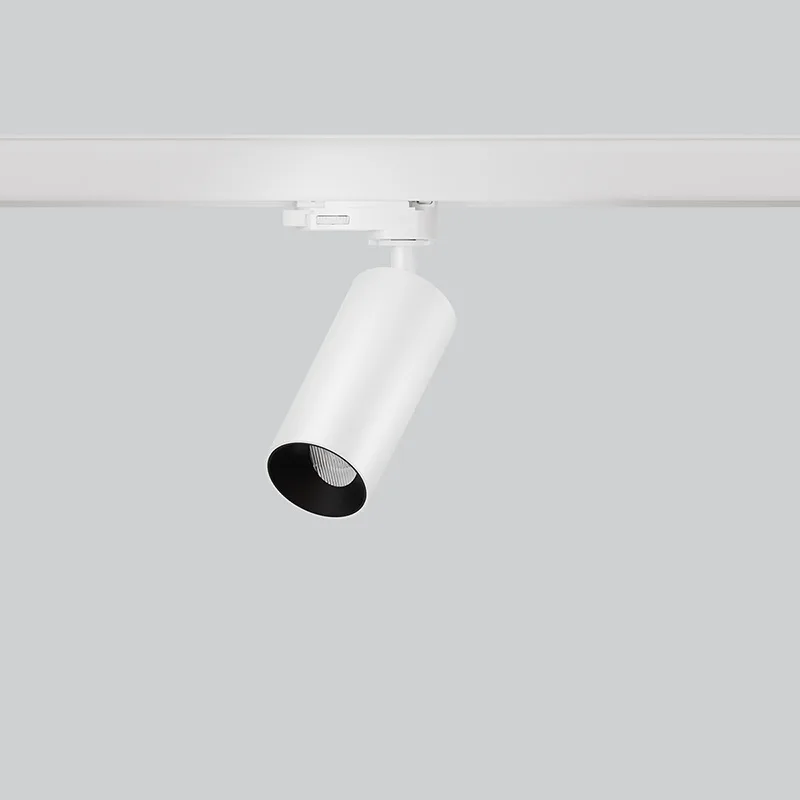
04 Wall-Washing Optics
Special distributions improve vertical uniformity and coverage.
04Efficiency, Comfort and Beam Quality
Neither optic is automatically superior. A lens may provide compact flexibility, while a reflector may offer preferred cutoff and beam softness. Optical quality, source position, tolerances and shielding determine the result.
Selection Checklist
| Design Factor | What to Check | Why It Matters |
|---|---|---|
| Application | Activities, surfaces and visual priorities | Defines the lighting task |
| Optical Performance | Beam angle, distribution and glare control | Shapes light accurately |
| Light Quality | CRI, CCT and consistency | Supports comfort and appearance |
05Choosing the Right Optical System
Select the optic according to target size, distance, distribution and glare requirements. Interchangeable systems such as SPECTRUM allow designers to adapt beams without replacing the full luminaire.