

KEY TAKEAWAYS
- 0-10V provides straightforward analogue group dimming
- DALI enables digital addressing, grouping, scenes and feedback
- Sensors and daylight response automate useful adjustments
- Control strategy must be coordinated with drivers and commissioning
01Why Lighting Controls Matter
Lighting controls adjust output according to activities, occupancy, daylight and time. They improve flexibility, reduce unnecessary energy use and allow one lighting installation to support multiple scenes.
02How 0-10V Control Works
0-10V uses an analogue control signal to set driver output. It is familiar and effective for grouped dimming, but separate control wiring is normally required and individual feedback or addressing is limited compared with digital systems.
03How DALI Works
DALI is a standardized digital lighting-control protocol based on IEC 62386. Devices can be individually addressed, grouped and assigned to scenes. Two-way communication allows status queries and supports flexible software reconfiguration.
Key Design Considerations
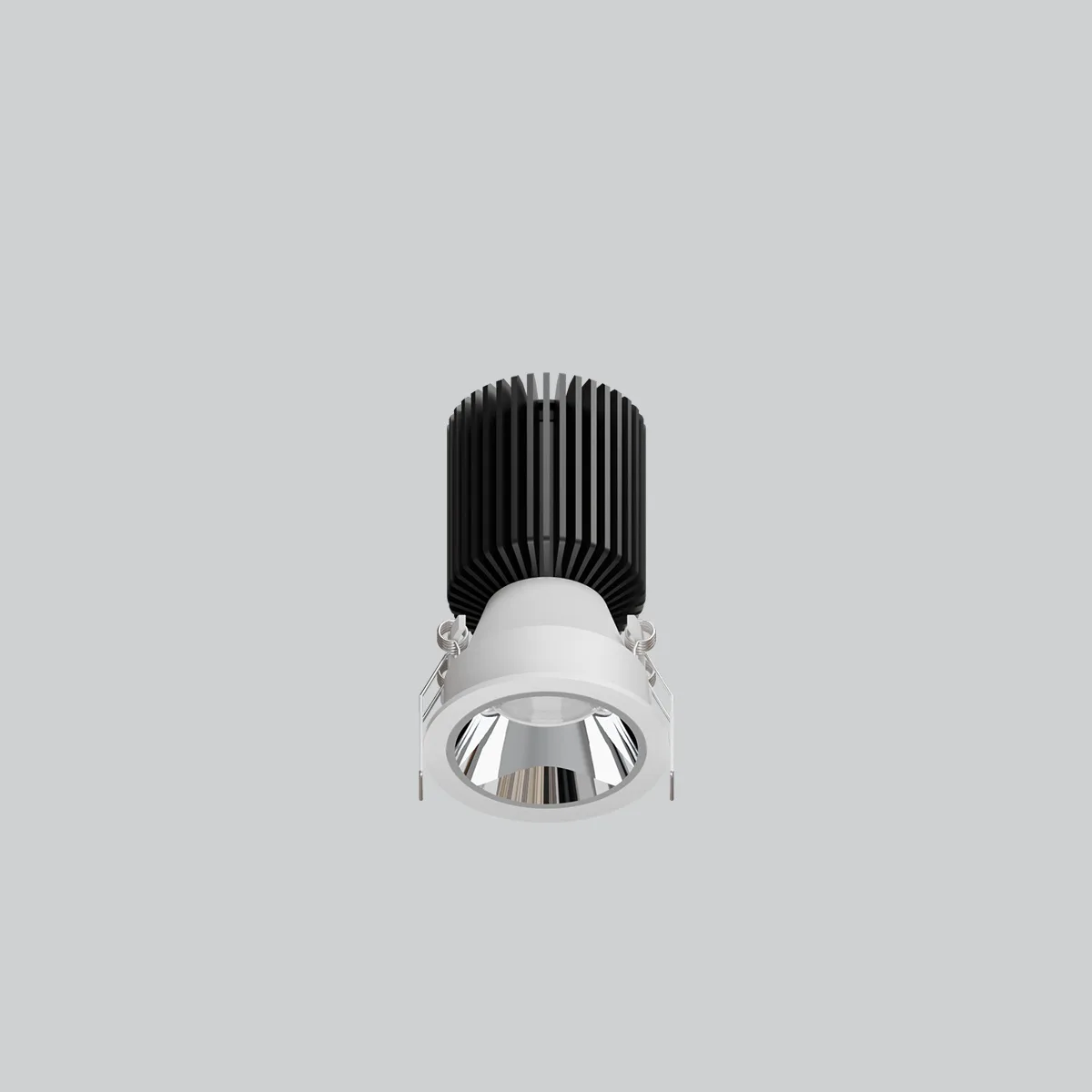
01 0-10V Dimming
Simple analogue control for grouped luminaires.
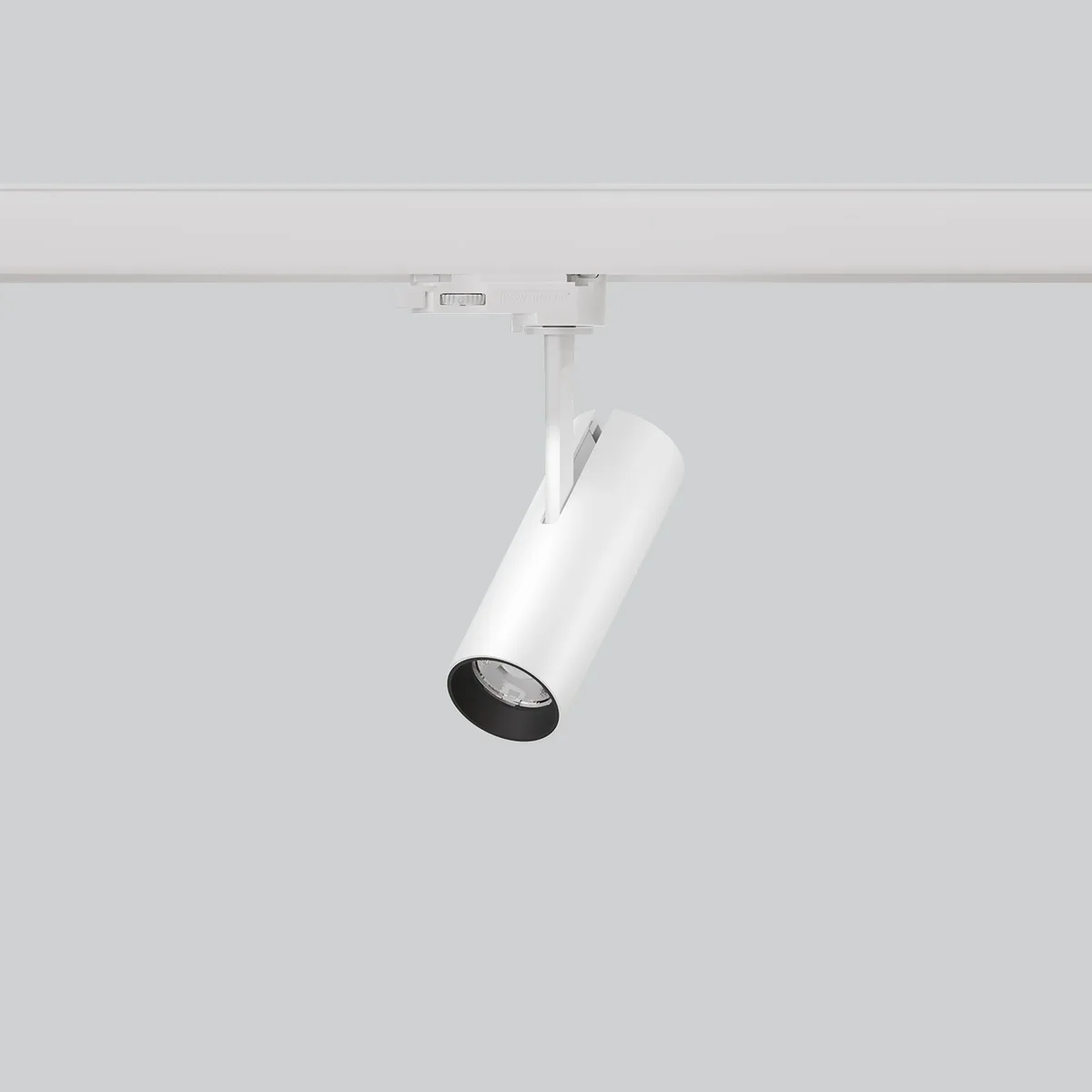
02 DALI Addressing
Digital control of individual devices, groups and scenes.
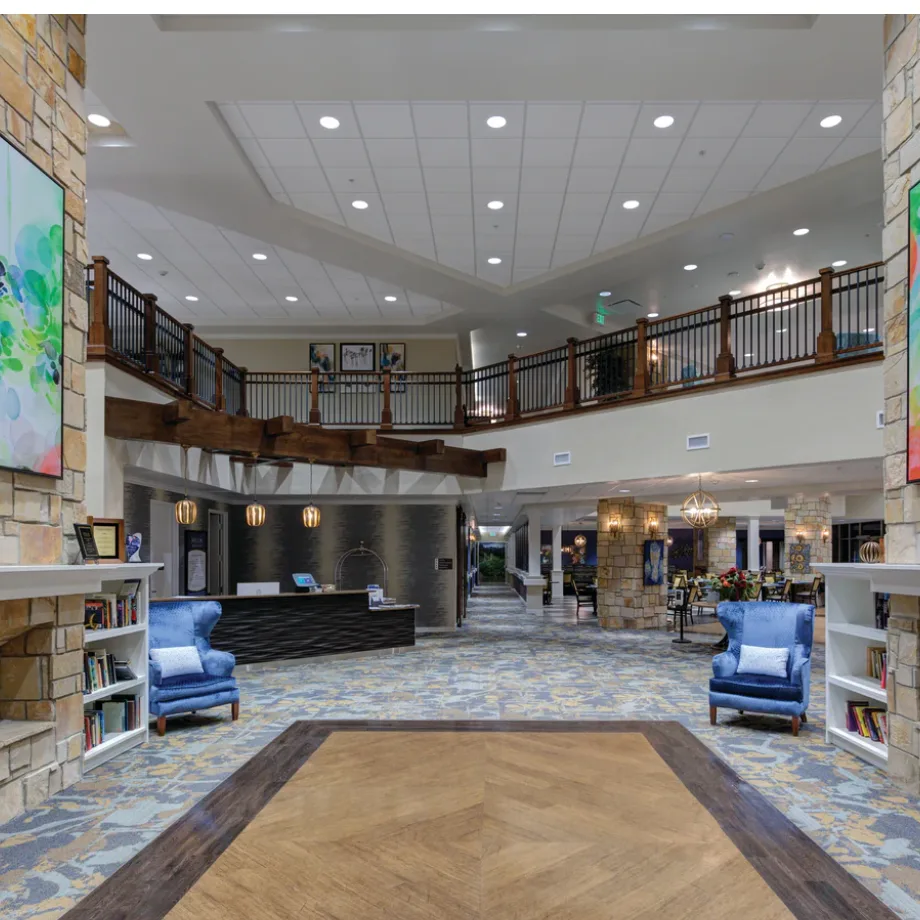
03 Occupancy Control
Sensors reduce output when spaces are unoccupied.

04 Scene Management
Programmable scenes adapt lighting to activities and time.
04Sensors, Scenes and Daylight Response
Occupancy sensors switch or dim lighting when spaces are unused. Daylight sensors reduce electric light near windows, while scheduled and user-selected scenes adapt output to presentations, retail changes or hospitality moods.
Selection Checklist
| Design Factor | What to Check | Why It Matters |
|---|---|---|
| Application | Activities, surfaces and visual priorities | Defines the lighting task |
| Optical Performance | Beam angle, distribution and glare control | Shapes light accurately |
| Light Quality | CRI, CCT and consistency | Supports comfort and appearance |
05Choosing a Control Strategy
Use 0-10V when straightforward grouped dimming is appropriate. Choose DALI where individual addressing, feedback, scene flexibility and integration are valuable. Confirm driver compatibility, emergency requirements, commissioning responsibility and future maintenance.