
KEY TAKEAWAYS
- CRI is useful but does not describe every colour shift
- Check R9 for saturated red rendering
- TM-30 adds fidelity, gamut and hue information
- Set colour targets according to the application
- Confirm performance with real material samples
01Why CRI Alone Is Limited
CRI Ra averages eight test colours and remains useful for basic comparison, but it does not fully describe saturation, hue shifts or the rendering of strong reds.
Two light sources with the same CRI can make materials look noticeably different.
02Understand R9
R9 measures saturated red rendering and is not included in the standard Ra average. Strong R9 performance is important for skin tones, food, timber and many fashion colours.
Always review R9 when accurate warm colour reproduction matters.
Practical Design Checklist
01 Understand R9
R9 measures saturated red rendering and is not included in the standard Ra average. Strong R9 performance is important for skin tones, food, timber and many fashion colours.

02 What TM-30 Adds
TM-30 uses a larger set of colour evaluation samples. Fidelity Index Rf describes average similarity to a reference, while Gamut Index Rg indicates overall saturation.

03 Apply Metrics by Application
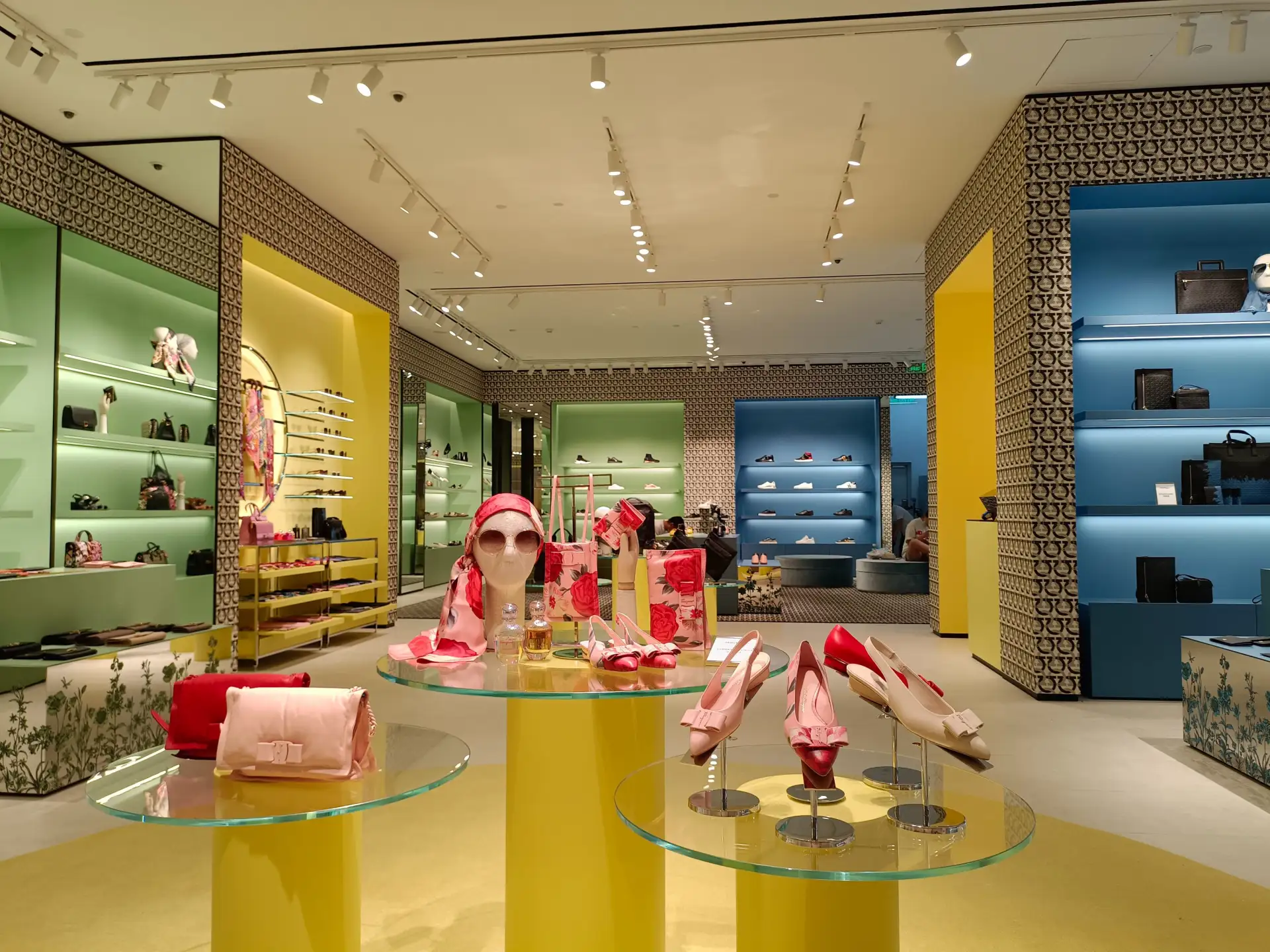
Retail may benefit from controlled saturation that increases merchandise appeal, while museums may prioritize fidelity and consistency. Hospitality needs natural skin tones and coherent material appearance.

04 Compare Real Samples
Metrics narrow the choice but do not replace visual evaluation. Review illuminated materials, dimming behaviour and colour consistency in a mock-up.
03What TM-30 Adds
TM-30 uses a larger set of colour evaluation samples. Fidelity Index Rf describes average similarity to a reference, while Gamut Index Rg indicates overall saturation.
A colour vector graphic shows where hue and chroma shifts occur.
04Apply Metrics by Application
Retail may benefit from controlled saturation that increases merchandise appeal, while museums may prioritize fidelity and consistency. Hospitality needs natural skin tones and coherent material appearance.
Define the visual objective before selecting target values.
Specification Review Matrix
| Design Question | What to Verify | Why It Matters |
|---|---|---|
| Performance | CRI is useful but does not describe every colour shift | TM-30 adds fidelity, gamut and hue information |
| Application | Check R9 for saturated red rendering | Set colour targets according to the application |
| Maintenance | TM-30 adds fidelity, gamut and hue information | Confirm performance with real material samples |
05Compare Real Samples
Metrics narrow the choice but do not replace visual evaluation. Review illuminated materials, dimming behaviour and colour consistency in a mock-up.
Document the chosen spectral and colour-quality criteria in the specification.