
KEY TAKEAWAYS
- Wall washing smooths and brightens vertical surfaces
- Wall grazing reveals texture with light and shadow
- Setback depends on optics, height and material
- Overlap distributions for consistent wall washing
- Use a full-scale mock-up for critical walls
01Two Different Lighting Effects
Wall washing creates a smooth, relatively uniform field of light across a vertical surface. Wall grazing places light close to the wall to reveal texture through highlights and shadows.
The correct method depends on whether the design should soften or emphasize the surface.
02Setback and Spacing
Wall washers are typically positioned farther from the wall so their asymmetric distribution can spread evenly. Grazers are mounted close to the surface for a steep incident angle.
Exact setback and spacing must follow the luminaire photometry, wall height and surface material.
Practical Design Checklist
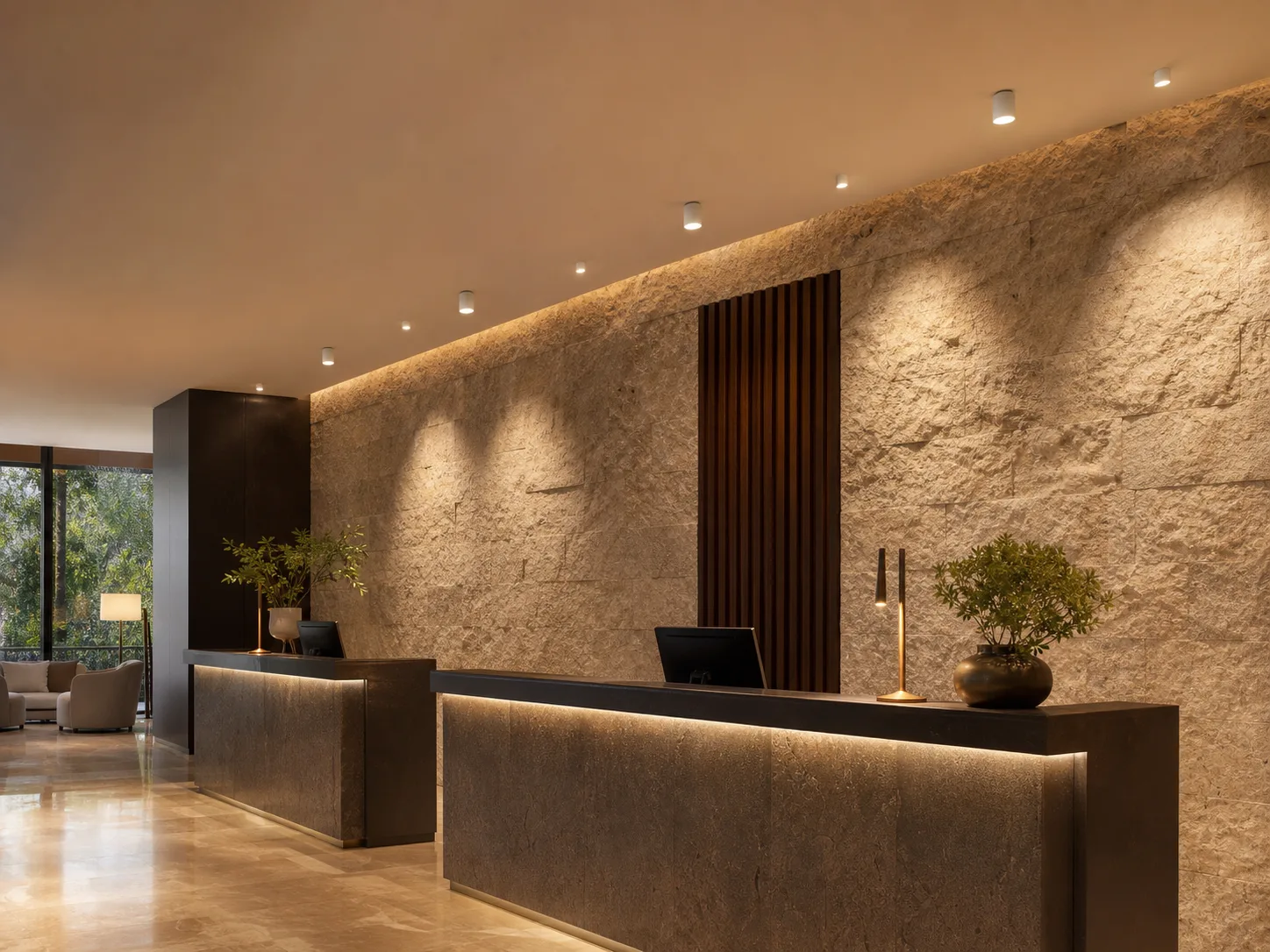
01 Setback and Spacing
Wall washers are typically positioned farther from the wall so their asymmetric distribution can spread evenly. Grazers are mounted close to the surface for a steep incident angle.
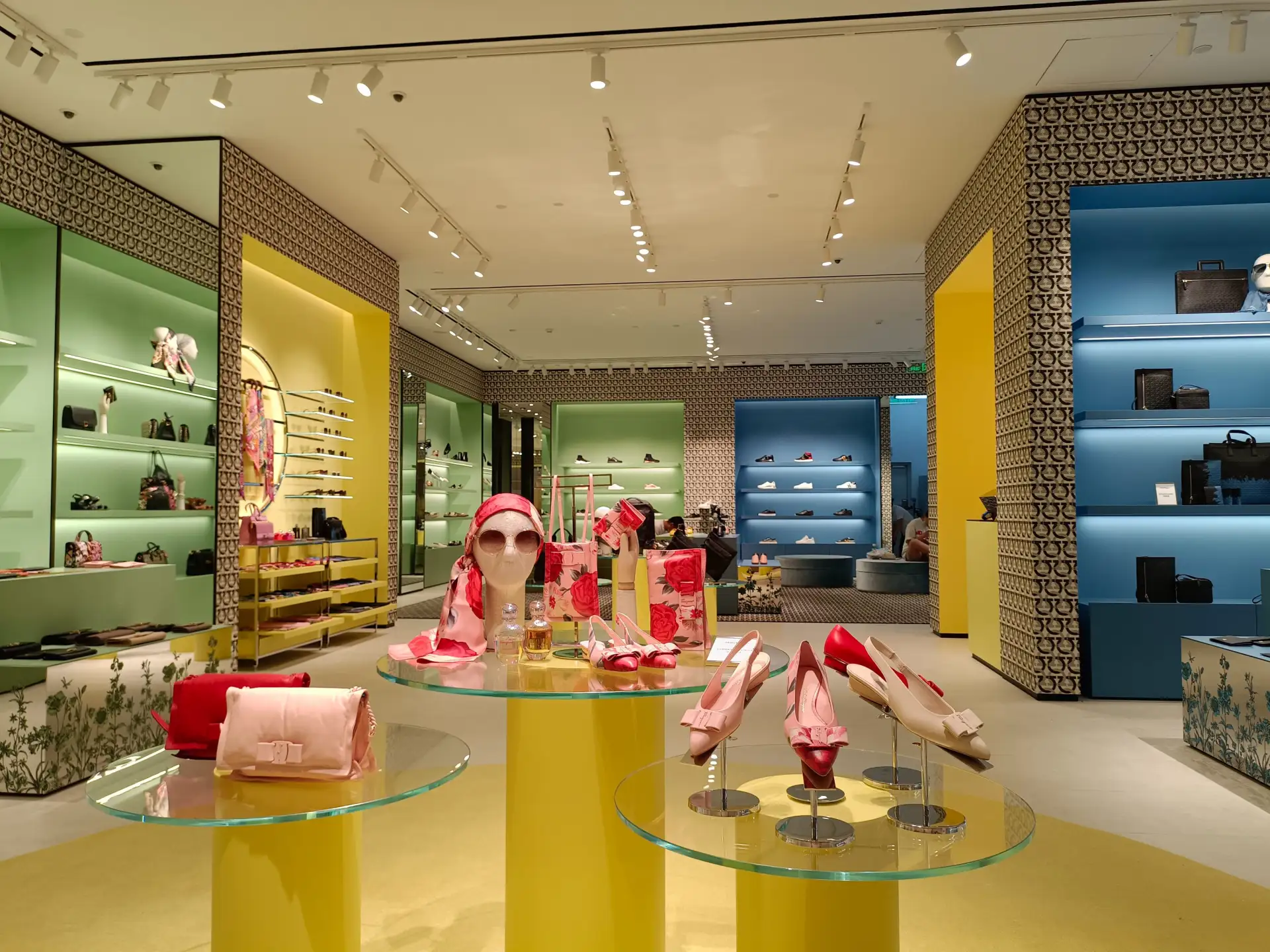
02 When to Use Wall Washing
Use wall washing for retail merchandise walls, gallery displays, reception backdrops and spaces where vertical brightness supports visual comfort.
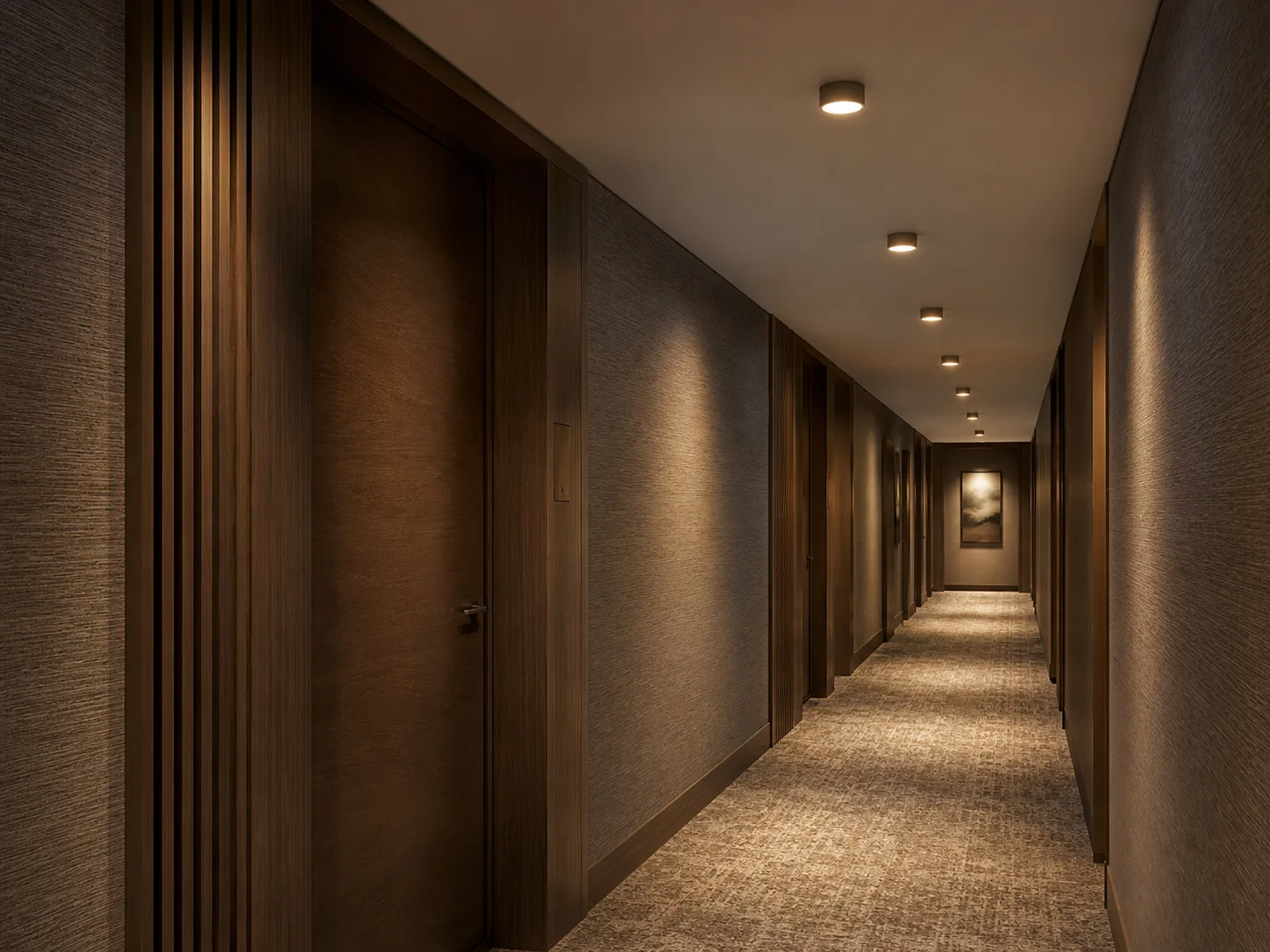
03 When to Use Wall Grazing
Use grazing on stone, brick, timber relief and other materials where texture is part of the architecture.
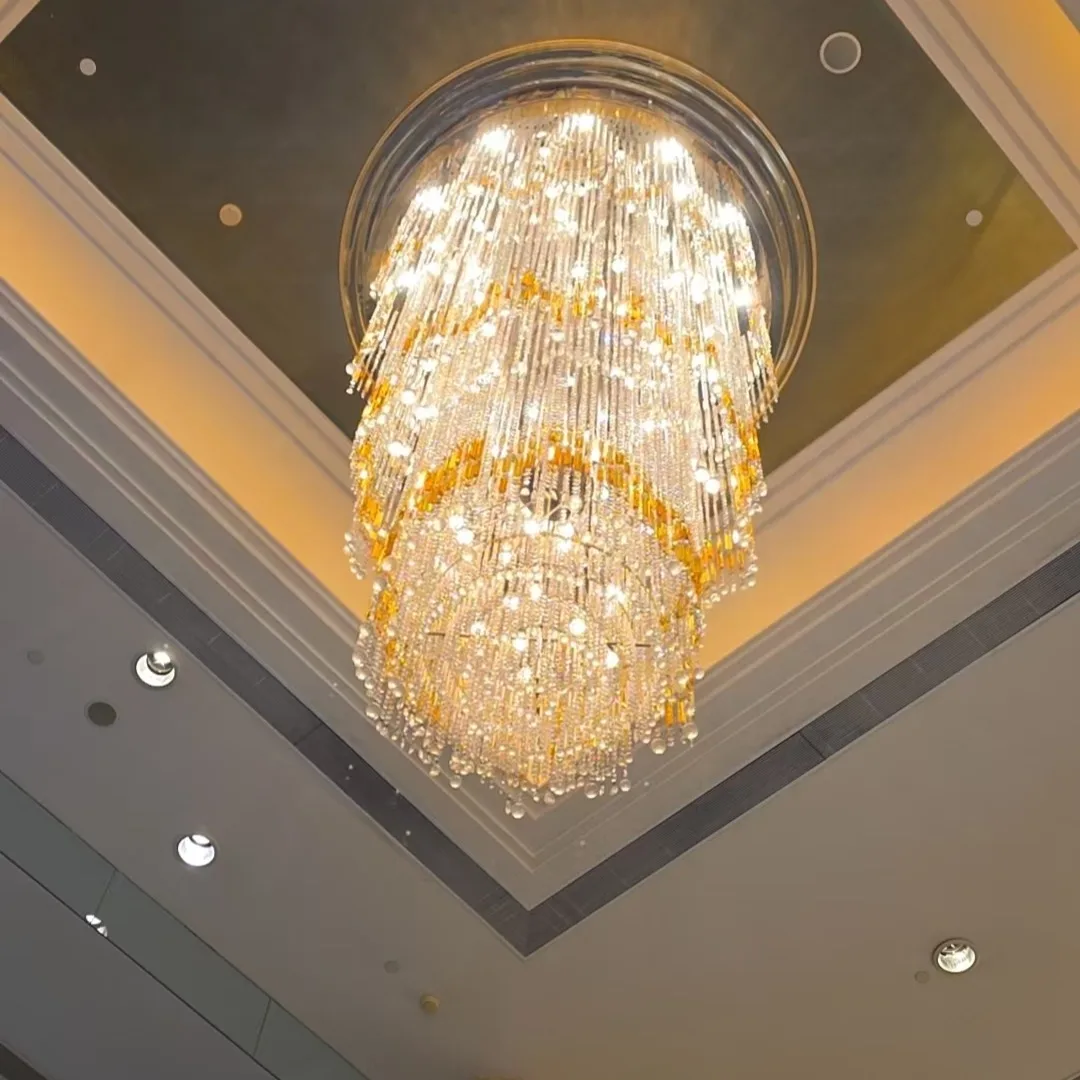
04 Mock Up Before Final Specification
A full-scale sample is the fastest way to verify brightness, uniformity, shadow pattern and colour appearance.
03When to Use Wall Washing
Use wall washing for retail merchandise walls, gallery displays, reception backdrops and spaces where vertical brightness supports visual comfort.
Good uniformity requires overlapping distributions and consistent aiming.
04When to Use Wall Grazing
Use grazing on stone, brick, timber relief and other materials where texture is part of the architecture.
Test glossy or irregular surfaces because harsh reflections and exaggerated defects can occur.
Specification Review Matrix
| Design Question | What to Verify | Why It Matters |
|---|---|---|
| Performance | Wall washing smooths and brightens vertical surfaces | Setback depends on optics, height and material |
| Application | Wall grazing reveals texture with light and shadow | Overlap distributions for consistent wall washing |
| Maintenance | Setback depends on optics, height and material | Use a full-scale mock-up for critical walls |
05Mock Up Before Final Specification
A full-scale sample is the fastest way to verify brightness, uniformity, shadow pattern and colour appearance.
Evaluate the wall from normal viewing positions and at the intended evening light level.