
KEY TAKEAWAYS
- Architectural lighting connects light with the building and its use
- Ambient, task and accent layers perform different roles
- Optics, glare control and colour quality matter as much as lumens
- Project planning should begin with surfaces, activities and visual priorities
01What Is Architectural Lighting?
Architectural lighting is the planned use of light to support the function, form and experience of a building. It considers the architecture first: surfaces, volumes, circulation, materials and the activities that take place in the space.
A successful scheme makes the environment easy to understand while reinforcing its visual character. It combines daylight, electric light, luminaires, optics and controls as one coordinated system.
02Architectural vs Decorative Lighting
Architectural luminaires are selected primarily for optical performance, integration and the effect they create on the space. Decorative fixtures are visible design objects that contribute through their form as well as their light.
Modern projects often use both. Recessed downlights and track lights provide controlled illumination, while pendants or feature fixtures add identity.
03The Three Main Lighting Layers
Ambient lighting provides the general level needed for orientation and movement. Task lighting supplies more light where detailed activities occur. Accent lighting creates contrast and directs attention to merchandise, art or architectural features.
The layers should be planned together so that brightness, contrast and visual comfort remain balanced.
Key Design Considerations
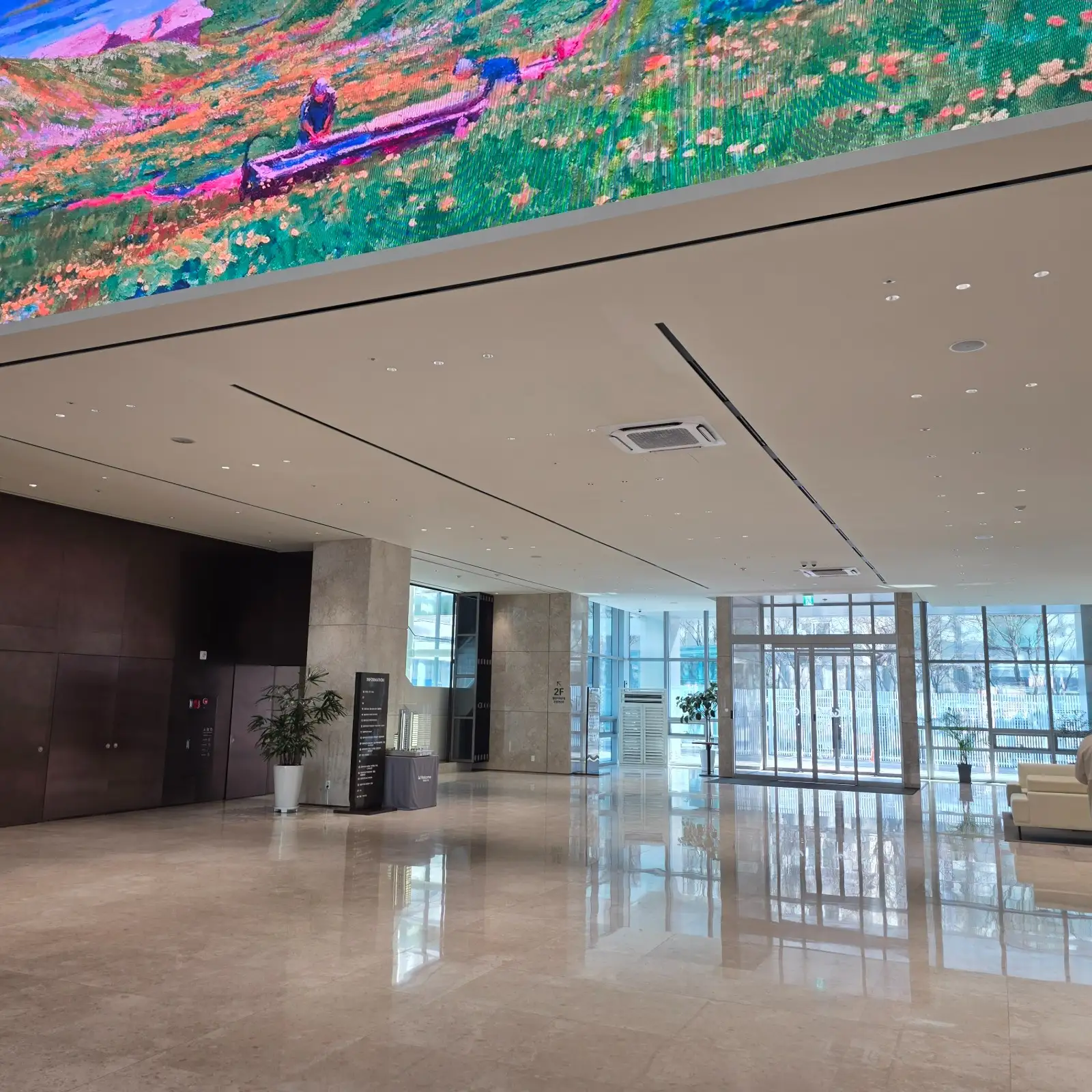
01 Ambient Lighting
General illumination for safe movement, orientation and spatial comfort.
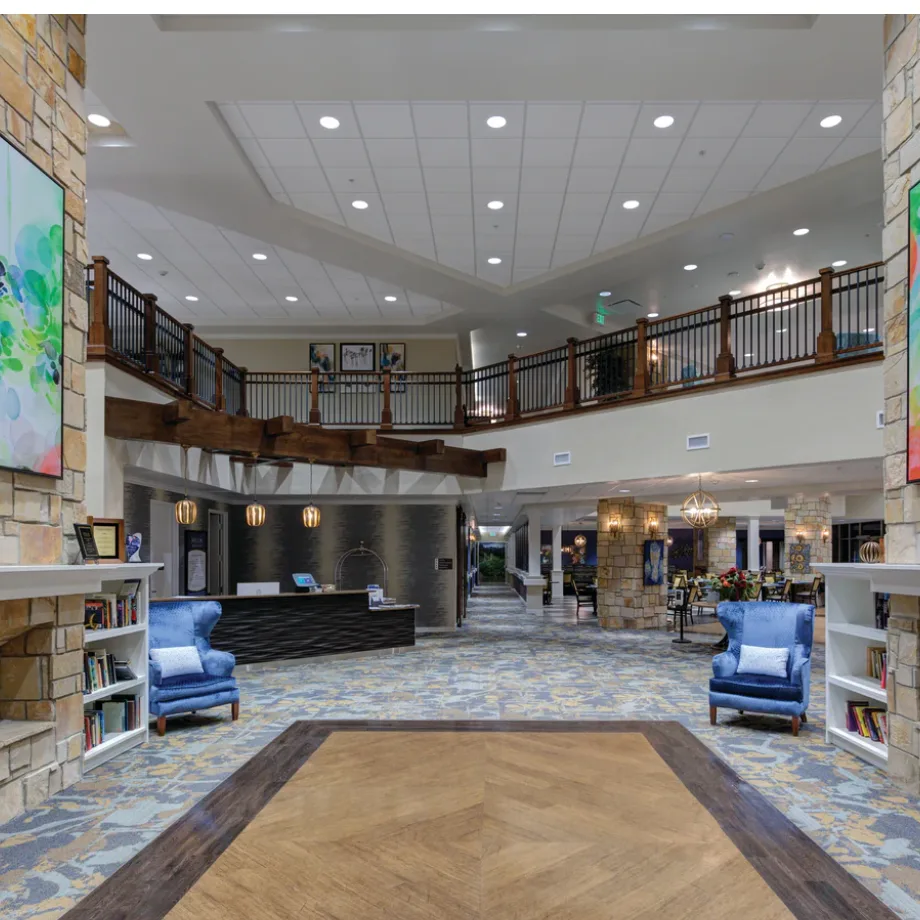
02 Task Lighting
Focused light for counters, desks, service areas and detailed activities.
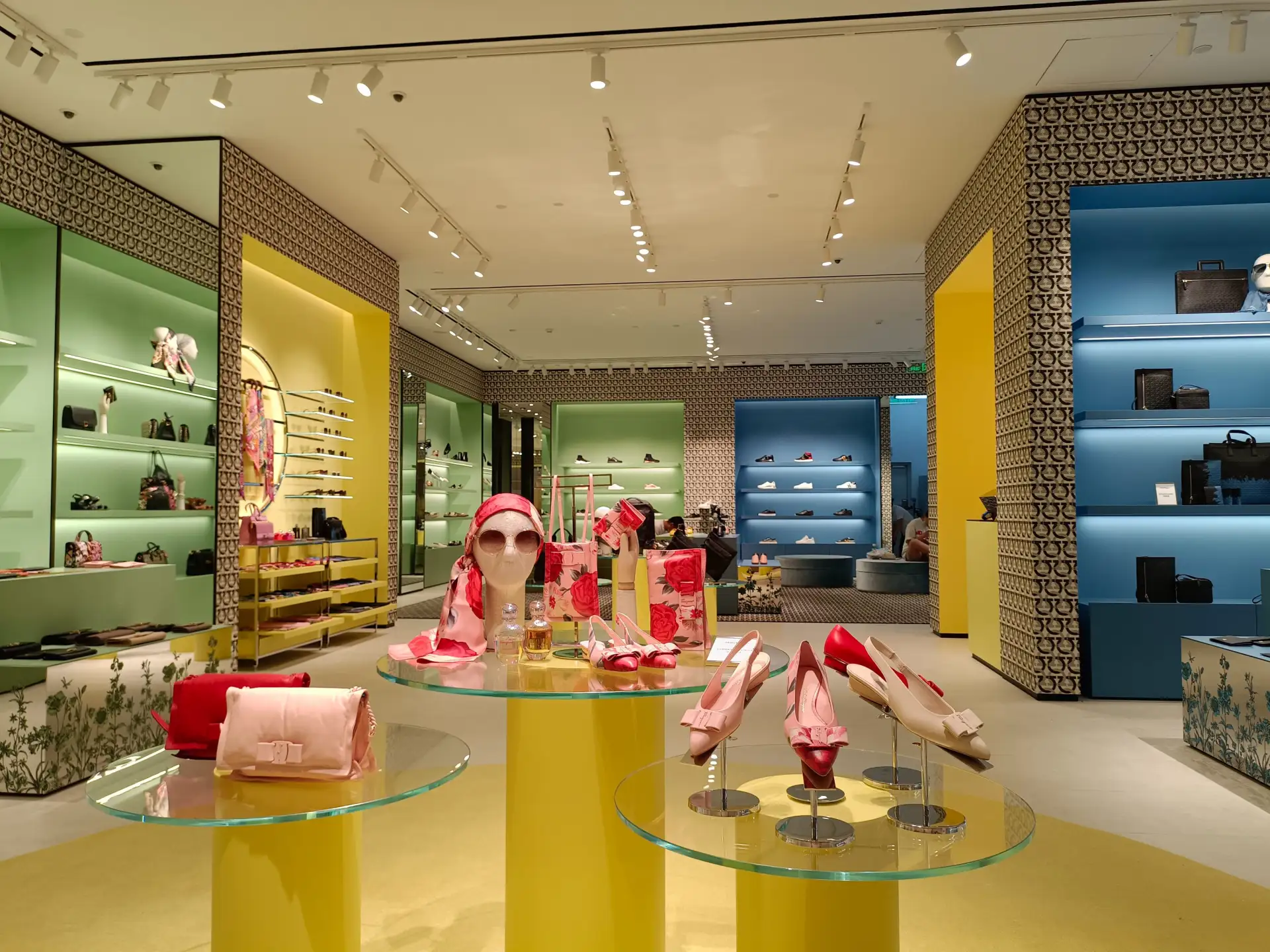
03 Accent Lighting
Higher-contrast light that highlights products, art and architectural features.

04 Integrated Design
Coordinated luminaires and controls create flexible, efficient lighting scenes.
04Applications Across Modern Projects
Retail lighting improves product visibility, colour accuracy and hierarchy. Hospitality lighting supports comfort and atmosphere. Commercial spaces require clear circulation and efficient task illumination, while residential lighting combines flexibility with a welcoming mood.
Selection Checklist
| Design Factor | What to Check | Why It Matters |
|---|---|---|
| Application | Activities, surfaces and visual priorities | Defines the lighting task |
| Optical Performance | Beam angle, distribution and glare control | Shapes light accurately |
| Light Quality | CRI, CCT and consistency | Supports comfort and appearance |
05How to Plan an Architectural Lighting Scheme
Start with the activities, surfaces and visual priorities. Then define target illuminance, colour temperature, CRI, beam angles, glare control and control scenes. Mock-ups and photometric data help confirm the result before installation.
Artdon provides architectural lighting solutions and product support for global retail, hospitality, commercial and residential projects.